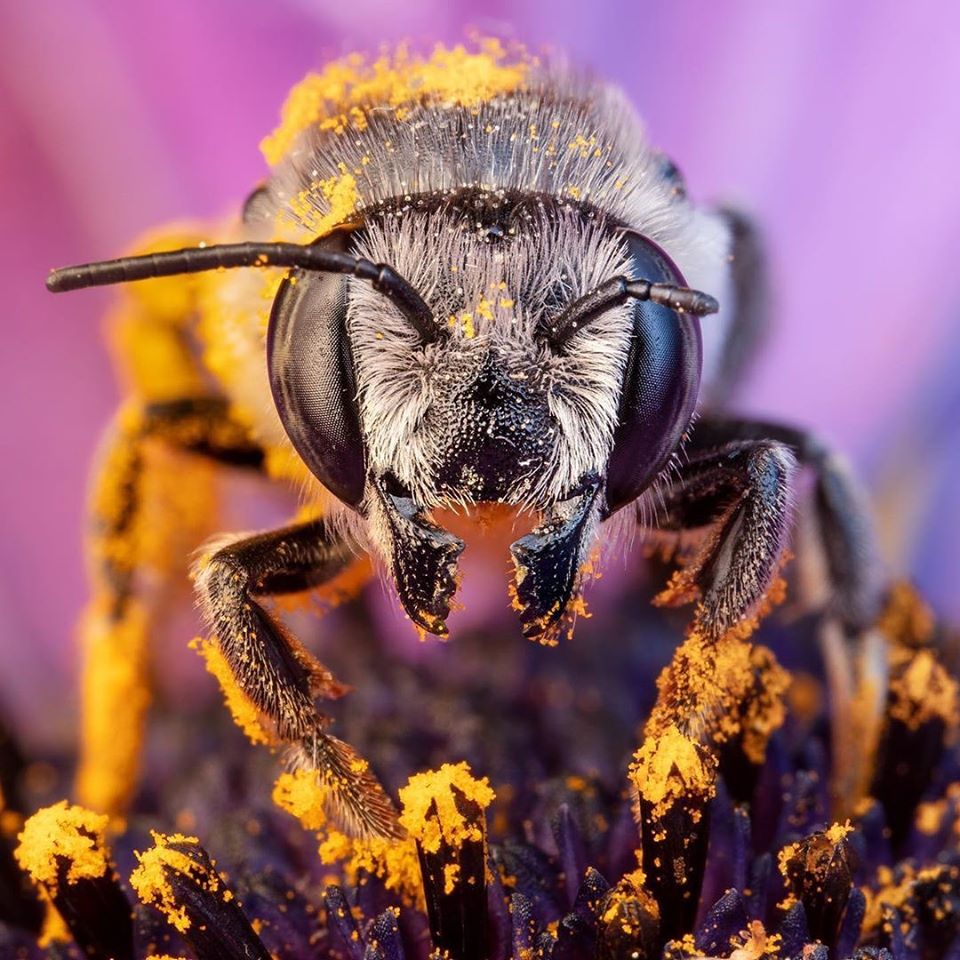
Honey bees can detect viruses in food, according to USDA research, and that discovery should make gardeners, beekeepers, and pollinator supporters rethink how bees interact with shared outdoor resources.
They navigate by the sun, communicate through waggle dances, recognize floral patterns, and now researchers have found something even more surprising: honey bees can detect viruses in food sources.
According to the USDA Agricultural Research Service, honey bees encounter viruses in the environment when they forage on flowers and other food sources. Researchers wanted to know whether bees could directly detect viruses in contaminated food, rather than only sensing sickness indirectly through other bees.
The answer? Yes — but the twist is that bees do not always avoid the contaminated food.
Honey Bees Can Detect Viruses in Food: What the USDA Study Found
ARS researchers studied whether honey bees could sense viruses such as deformed wing virus, black queen cell virus, and chronic bee paralysis virus in food sources. In experimental tests, bees were given a choice between plain sugar solution and sugar solution containing viruses. In some cases, the bees actually preferred the virus-spiked solution.
That sounds backwards. You would expect a bee to detect a contaminated food source and fly the other way. Nature, however, does not always operate like a clean little instruction manual.
The peer-reviewed study, published in Biology Letters, found that bee responses varied depending on the season, the type of bee, and the concentration of virus. Nurse-aged bees preferred plain sucrose solution in spring, but in fall they significantly preferred solutions containing deformed wing virus, black queen cell virus, or chronic bee paralysis virus. Field-foraging bees also showed higher visitation and consumption at feeders containing higher concentrations of deformed wing virus.
In plain English: honey bees can detect virus-contaminated food, but that detection does not always lead to avoidance.
Why This Matters for Bee Health
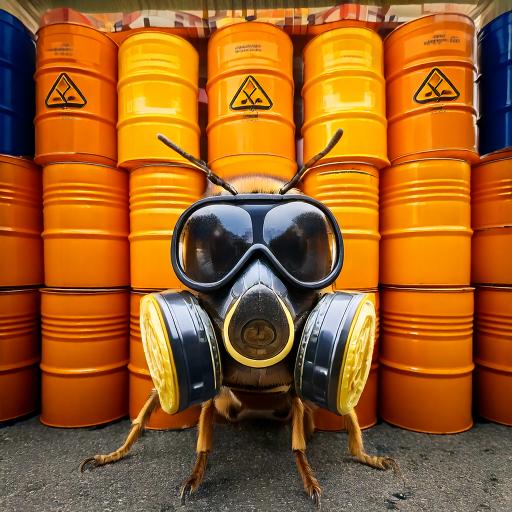
Viruses are already a serious concern for honey bees. Deformed wing virus is especially well known because it can cause crumpled, damaged wings when bees are infected during development. The USDA notes that deformed wing virus is highly transmitted when Varroa destructor mites feed on honey bee pupae and adult bees.
Varroa mites remain one of the biggest threats to managed honey bee colonies. Controlling Varroa mite populations is currently one of the most effective ways beekeepers can help protect colonies.
But this new research adds another layer to the conversation: shared resources matter.
When bees from multiple colonies, and sometimes other insects, gather at the same open food source, disease can potentially move through those shared spaces. One ARS researcher specifically warned that open feeding situations, where bees and other insects from different colonies access the same food source, may not be in honey bees’ best interest.
What About Backyard Water Sources?
This study focused on food sources, not backyard water. That distinction matters.
A Bee Raft is not a feeder, not a treatment, and not a disease-control product. It does not prevent viruses, kill mites, or replace good beekeeping practices. No magic wand here — bees still require serious care from real beekeepers who know what they are doing.
But the study is a useful reminder: bees interact with the world through shared resources.
Flowers, feeders, birdbaths, fountains, ponds, buckets, and other outdoor water sources can all become gathering places for insects. For homeowners, gardeners, and pollinator-friendly yards, that means it is worth thinking carefully about how we set up the spaces where bees land, drink, and move on.
Why Safe Landing Areas Still Matter
Bees need water. They use it to cool the hive, dilute stored honey, and support daily colony activity. In hot weather, water can be especially important.
The problem is that many common water sources are not easy for small insects to use safely. Smooth birdbath edges, deep bowls, buckets, fountains, and ponds may attract thirsty bees, but without a safe landing area, bees can slip into the water and drown.
That is the simple problem Bee Raft was built to solve.
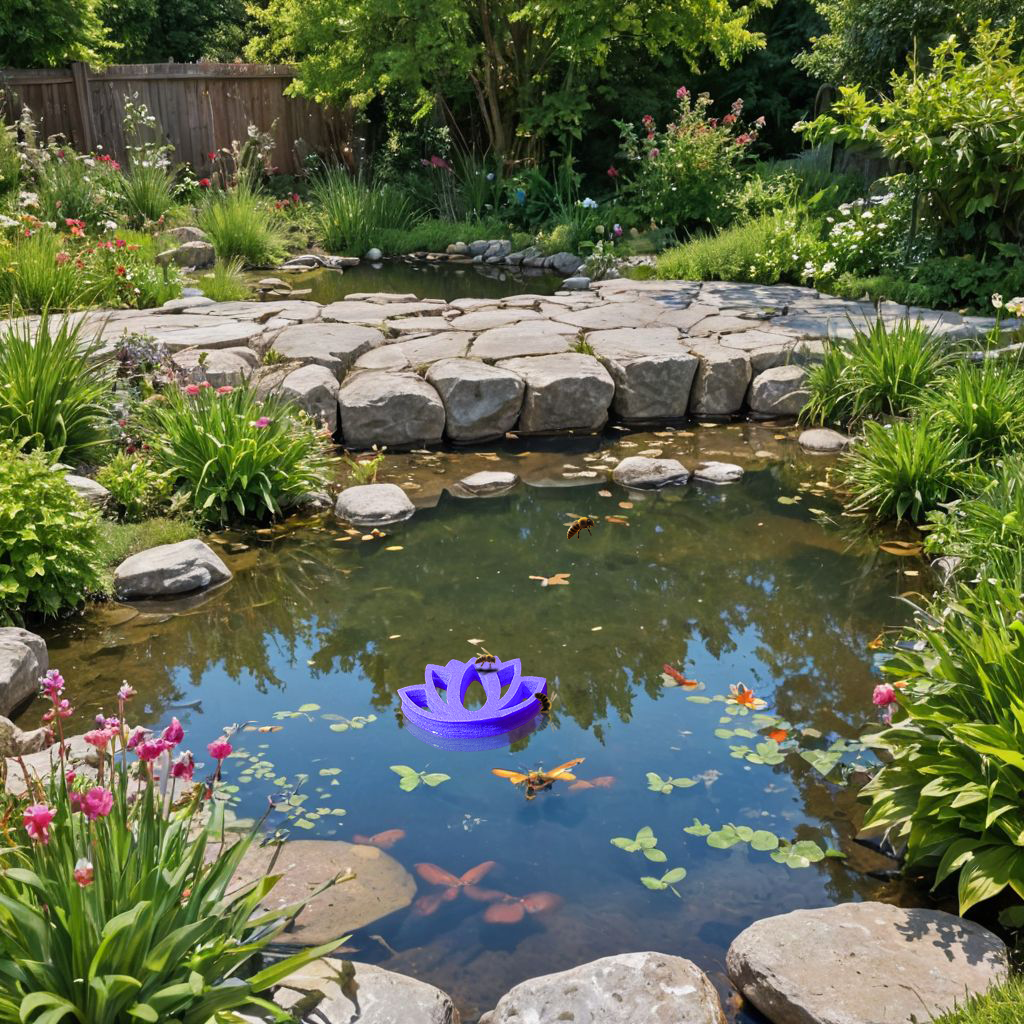
Bee Raft gives bees and other small beneficial insects a floating place to land while they drink. It is a simple backyard tool for people who already have birdbaths, fountains, ponds, or other outdoor water sources and want to make those spaces more pollinator-friendly.
A Cleaner, Smarter Backyard Habit
The USDA research points toward a larger idea: shared bee resources deserve more attention.
For beekeepers, that may mean rethinking open feeding practices and choosing colony-specific feeding methods when appropriate. For homeowners and gardeners, it means keeping outdoor water sources cleaner, refreshing water regularly, and giving bees a safer place to land.
A few simple habits can help:
Keep birdbaths and fountains refreshed.
Avoid letting stagnant water sit for long periods.
Add rocks, floating plants, or a Bee Raft so insects have a landing area.
Do not use pesticides near bee-friendly water sources.
Keep pets and children supervised around all outdoor water features.
None of this replaces serious colony management. But it does support a healthier backyard environment, and sometimes the old-school answer is still the best one: keep things clean, give nature a little help, and do not overcomplicate what common sense already knows.
The Takeaway
Honey bees are constantly making decisions in a complicated world. The discovery that they can detect viruses in food sources gives scientists, beekeepers, and pollinator supporters one more piece of the puzzle.
The research does not say bees always avoid danger. In fact, sometimes they may be drawn toward contaminated food. That is exactly why shared resources deserve attention.
For Bee Raft, the lesson is simple: safer landing spaces matter. Cleaner water sources matter. Thoughtful backyard design matters.
Helping bees does not always require a massive project. Sometimes it starts with a birdbath, a floating landing pad, and the decision to make your yard a little safer for the tiny workers keeping the world blooming.
Sources
USDA Agricultural Research Service: “Honey Bees Can Detect Viruses in Food.”
USDA ARS Publication Record: “Attraction versus avoidance: Honey bees vary in response to virus contaminated food.”