A recent bee-related accident in Texas is a reminder of just how important bees are — and how much work goes into protecting them. When millions of bees escaped in Texas after the beehive truck crash, it became a reminder of how important it is to protect bees wherever we can.
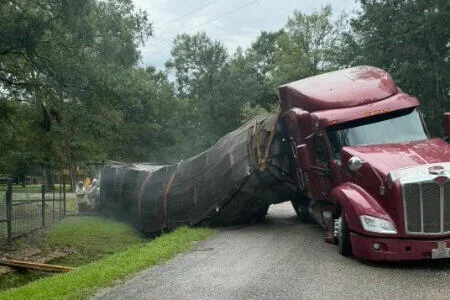
According to CBS News and the Associated Press, a semitrailer carrying hundreds of beehives tipped over in Orange County, Texas, releasing millions of honeybees into a rural neighborhood. Emergency officials closed roads, warned residents to stay indoors, and local beekeepers came together to help recover and protect as many hives as possible.
While stories like this can sound unusual at first, they also reveal something most people never think about: bees are moved across long distances to support agriculture, honey production, and pollination.
Why Bees Are Transported
Large beekeeping operations often move hives from place to place throughout the year. Bees may be transported to farms, orchards, and fields where they help pollinate crops. They may also be moved to follow blooming seasons for honey production.
That means bees are not just living in backyard hives or wild spaces. In many cases, they are part of a much larger agricultural system that depends on careful handling, timing, and transportation.
When something goes wrong, the impact can be significant.
Why a Hive Loss Matters
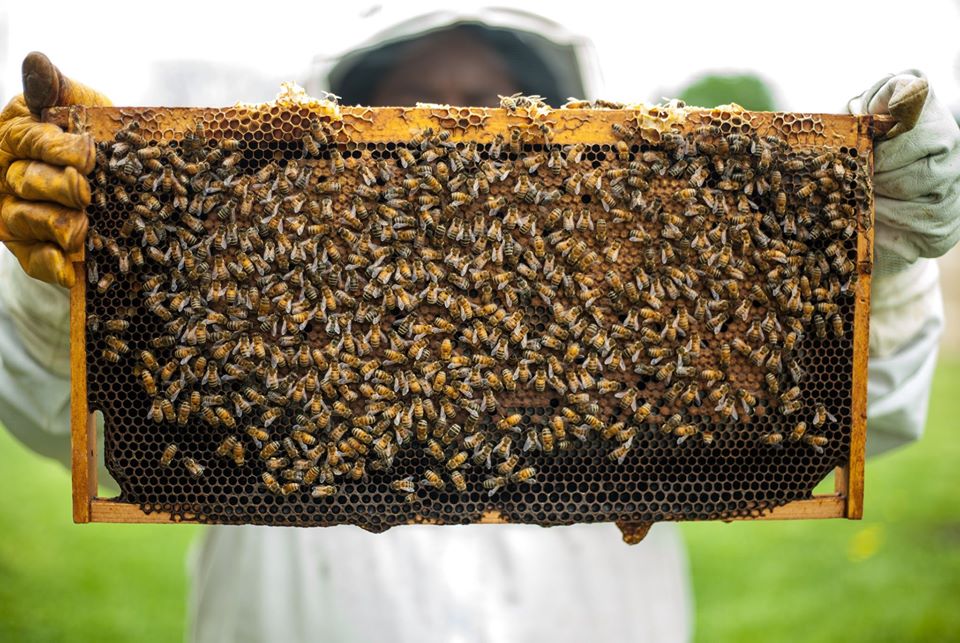
A single hive is more than just a box full of bees. It is a living colony with workers, drones, and a queen. If the queen does not survive, the future of that colony can be at risk.
For beekeepers, losing hives can also mean losing months of work, future honey production, and potential pollination income. For the bees, it means disruption, exposure, stress, and possible colony loss.
That is why local beekeepers responding to the Texas crash mattered so much. They were not just clearing a scene. They were trying to save living colonies.
What We Can Learn After Bees Escaped in Texas
Most of us will never deal with a truckload of escaped bees. But we can still learn something from this story.
Bees are constantly working around us. They visit flowers, gardens, farms, orchards, trees, and backyard plants. They also need reliable access to water, especially during warm weather.
That is where everyday homeowners, gardeners, and backyard nature lovers can help.
How Backyards Can Support Bees
Supporting bees does not have to be complicated. Small choices can make a difference.
You can help by:
- Growing bee-friendly flowers and plants
- Avoiding unnecessary chemical use around blooms
- Providing shallow, accessible water
- Making sure bees have a safe place to land when drinking
- Keeping birdbaths, fountains, ponds, and garden water features safer for small pollinators
Water is especially important. Bees may visit birdbaths, fountains, ponds, buckets, barrels, and other outdoor water sources. But open water can be risky if there is no safe landing area.
Safe Water for Bees Starts With a Landing Place
Bees are not built to swim. If their wings get wet, they can struggle to fly away.
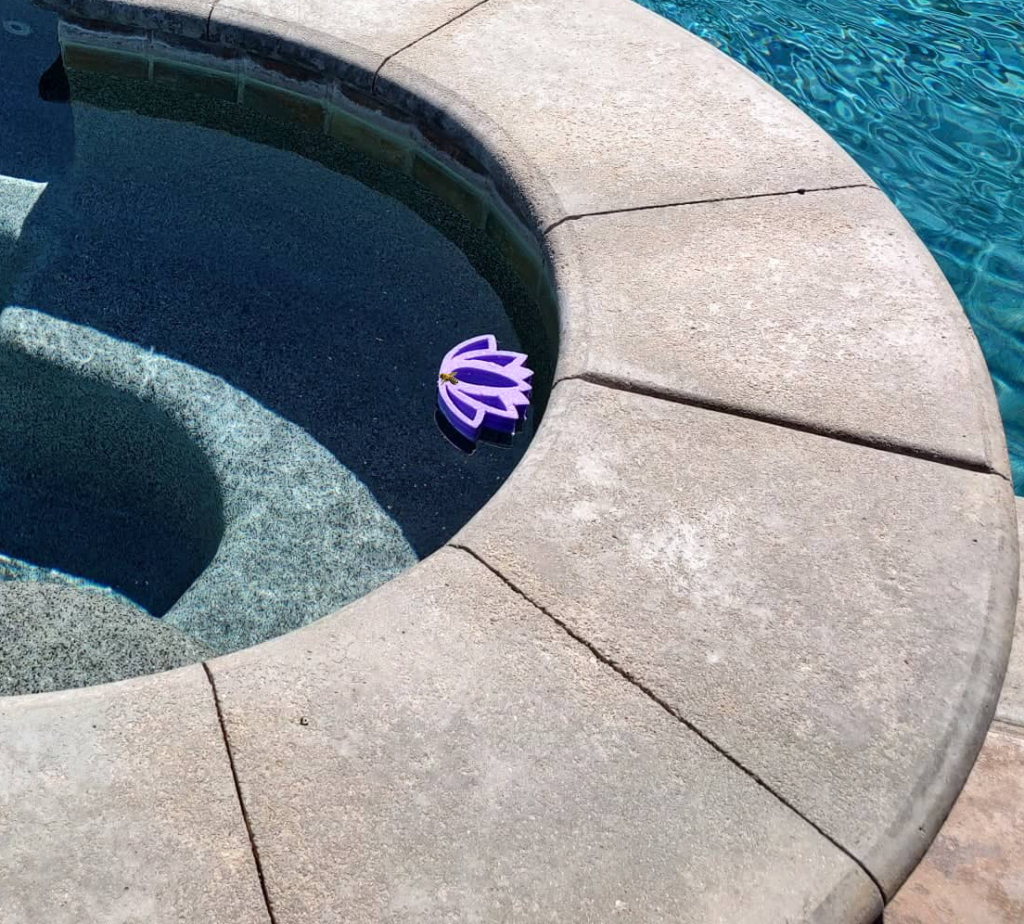
A simple floating landing platform can help bees and small pollinators access water more safely. The Bee Raft was designed for that purpose — to float on backyard water sources and give bees a place to land, rest, and drink.
The Lotus Flower Bee Raft can be used in:
- Birdbaths
- Fountains
- Ponds
- Buckets
- Barrels
- Hot tubs
- Jacuzzis
- Garden water bowls
- Backyard water features
The current small Bee Raft is not intended for swimming pools.
A Small Reminder From a Big Bee Story
The Texas beehive crash was an unusual event, but it highlights something simple: bees matter, and protecting them takes effort.
Beekeepers, farmers, gardeners, and everyday homeowners all play a role in supporting pollinators.
You may not be rescuing hundreds of hives from a roadside accident, but you can still make your own backyard a little safer for bees.
Start with flowers. Add safe water. Give bees a place to land.
Small actions can help pollinators keep doing the work that supports gardens, farms, and the world around us.