Help Bees Thrive With the Right Blooms and a Reliable Water Source
May is one of the best months to turn a yard, patio, garden bed, or backyard water feature into a real pollinator stop. By this point in spring, bees are active, flowers are opening, and warm weather means bees are not only searching for nectar and pollen — they are also looking for safe places to drink.
That is where a good pollinator garden starts to become more than pretty. It becomes useful.
Bees need food, water, and a pesticide-safe environment. The Xerces Society recommends growing pollinator-friendly flowers, providing nesting habitat, avoiding pesticides, and spreading awareness as core pollinator protection steps.
Why May Matters for Bees
In May, many bee species are actively foraging. Honey bees are gathering nectar and pollen for the hive, while native bees are feeding themselves and supporting their nesting cycles.
California alone is home to roughly 1,600 native bee species, making it one of the most important regions in North America for pollinator-friendly planting.
The key is variety. A strong bee garden should include different flower shapes, bloom times, and plant types so different bees can forage throughout the season.
1. Lavender
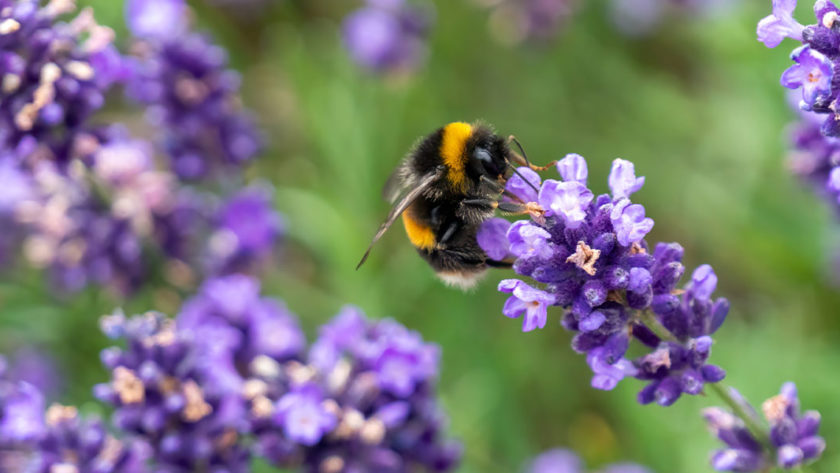
Lavender is a classic for a reason. Bees love it, gardeners love it, and it handles warm, dry weather better than many delicate flowers.
Lavender works well near patios, walkways, raised beds, and sunny garden borders. Once established, it is relatively low-maintenance and gives bees plenty of small purple flowers to visit.
Bee Raft tip: Lavender near a birdbath, fountain, or pond creates a simple bee-friendly zone: food nearby, water nearby, no drama.
2. California Poppy
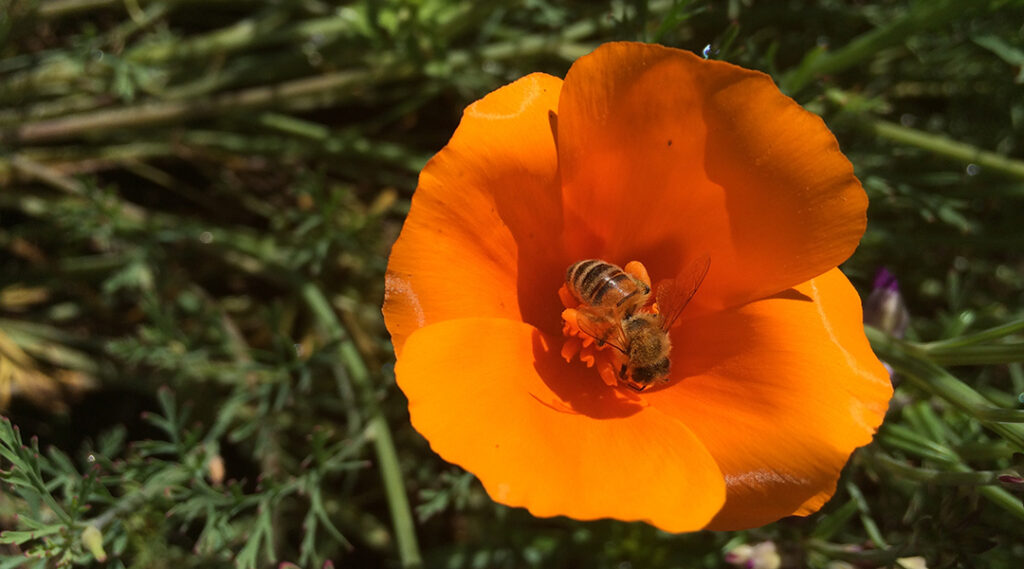
California poppy is a great May bloomer and a natural fit for western gardens. It reseeds easily, brings bright orange color, and attracts bees year after year.
California poppy is also listed by California garden sources as a bee-attracting flower, especially useful for spring color and pollinator support.
It is also a good reminder that bee gardens do not need to look overworked. Sometimes the old-school wildflower look does the job better than a perfectly manicured bed.
3. Ceanothus / California Lilac
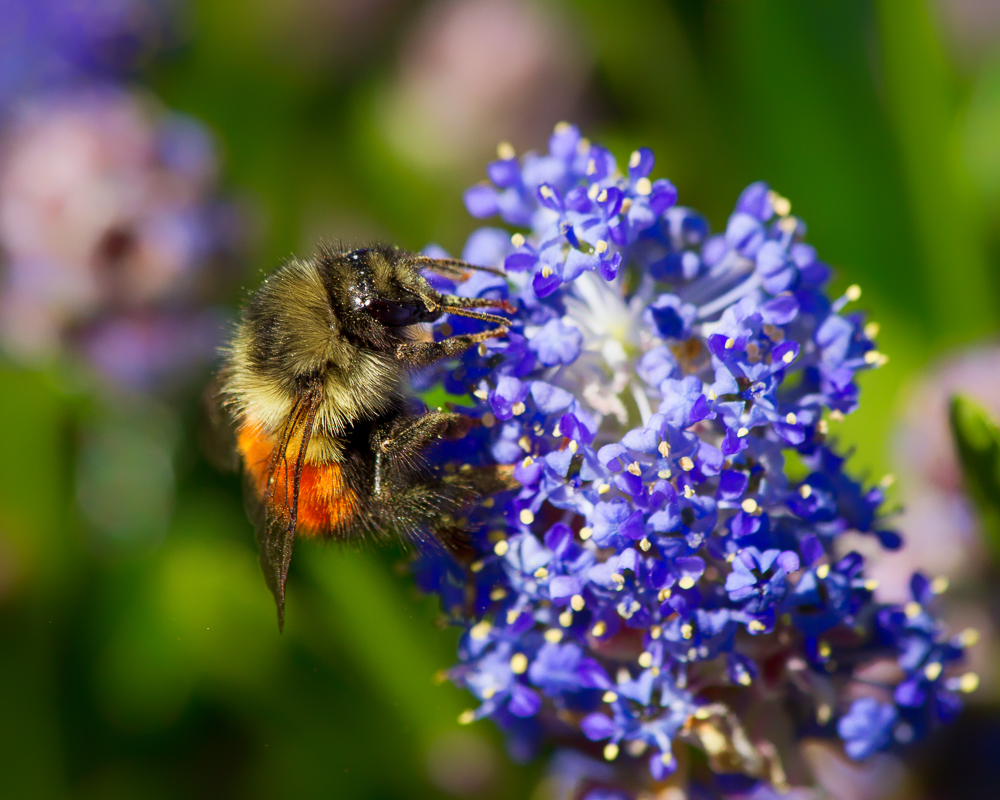
Ceanothus, often called California lilac, is one of the best native shrubs for pollinators. It produces clusters of blue to purple flowers and can become a major bee attraction when blooming.
The California Native Plant Society lists several California native shrubs and trees as valuable for bees, including spring-flowering plants like woolly bluecurls, sticky monkeyflower, coffeeberry, and ceanothus-related native plantings.
Ceanothus is especially useful because it adds structure to the garden. Bees get forage, and the yard gets a real landscape plant instead of just seasonal flowers.
4. Salvia
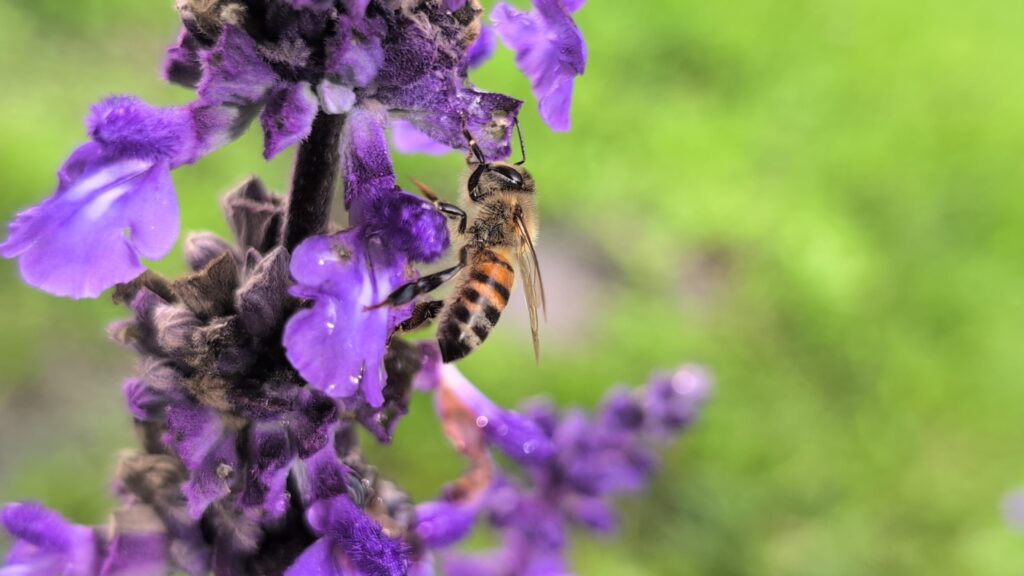
Salvia is another heavy hitter. Many varieties bloom beautifully in spring and early summer, and bees are drawn to the tubular flowers.
Salvias come in purple, blue, red, pink, and white varieties, which makes them easy to fit into almost any garden design. They also pair well with drought-tolerant landscaping.
For Bee Raft customers, salvia is a great “plant it near the water source” recommendation because it looks intentional and helps build a full pollinator-friendly corner.
5. Milkweed
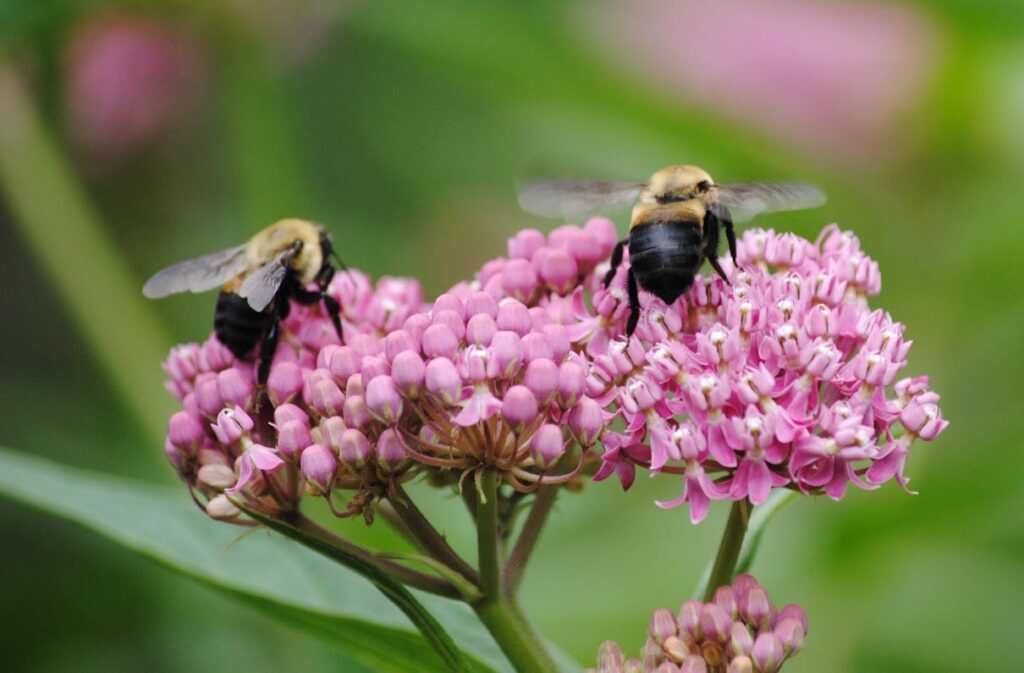
Milkweed is famous for monarch butterflies, but bees also visit its flowers. It is a strong choice for anyone trying to support more than one type of pollinator.
Xerces and other pollinator organizations consistently recommend native plants and regionally appropriate plant lists for supporting bees, butterflies, honey bees, bumble bees, and other beneficial insects.
The important part: choose the right milkweed for your area. Native milkweed is usually the better choice than random nursery stock.
6. Sunflowers
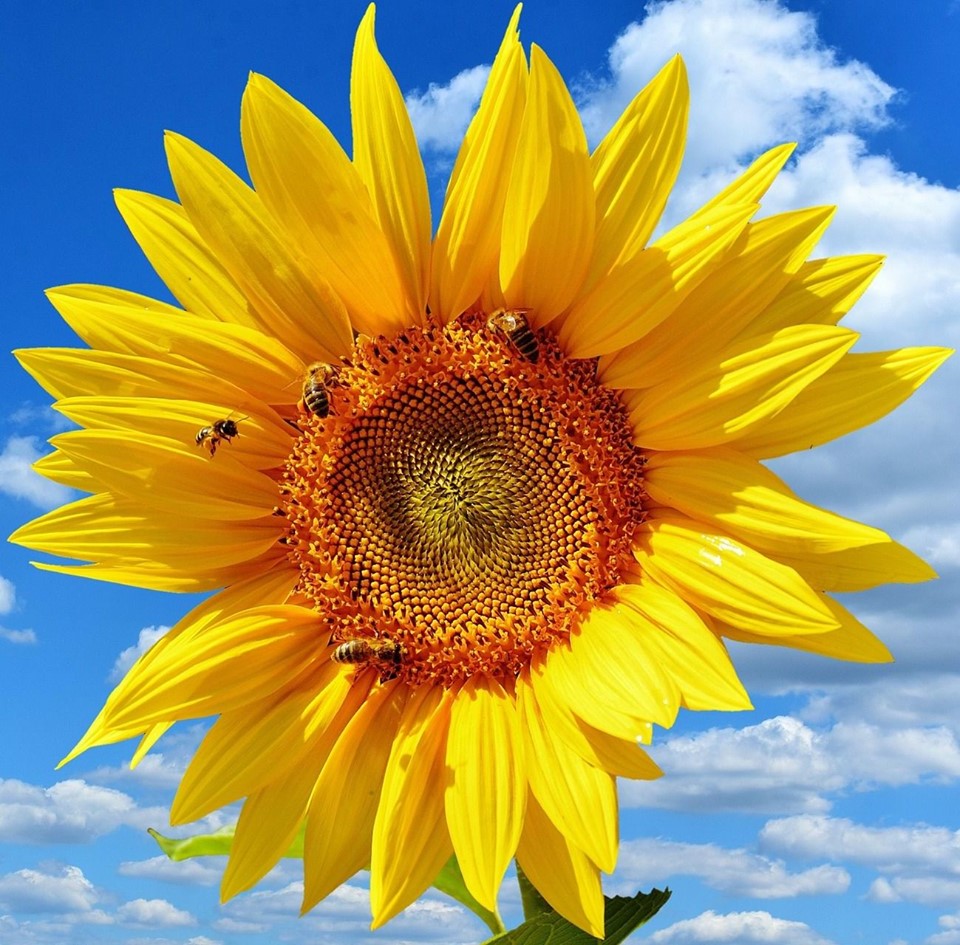
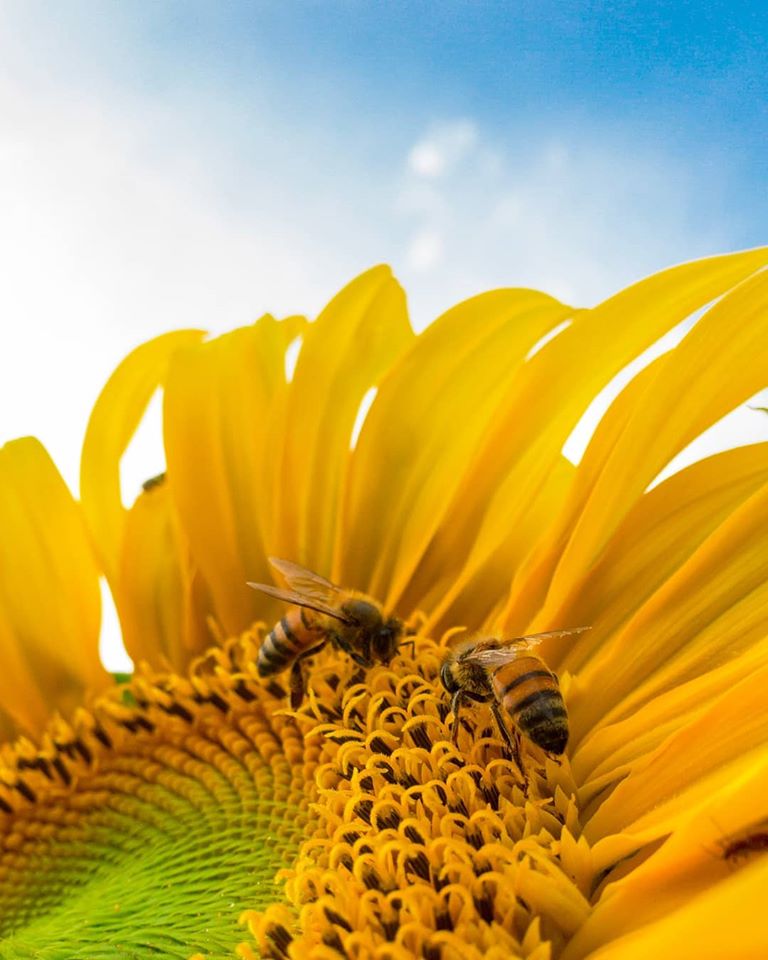
Sunflowers are easy to understand: big flower, lots of pollen, happy bees.
They are also a great family-friendly plant because kids can watch them grow quickly. For backyard gardeners, sunflowers can turn a plain fence line into a pollinator buffet.
Plant several together instead of one lonely flower. Bees find larger patches more easily, and the garden looks better too.
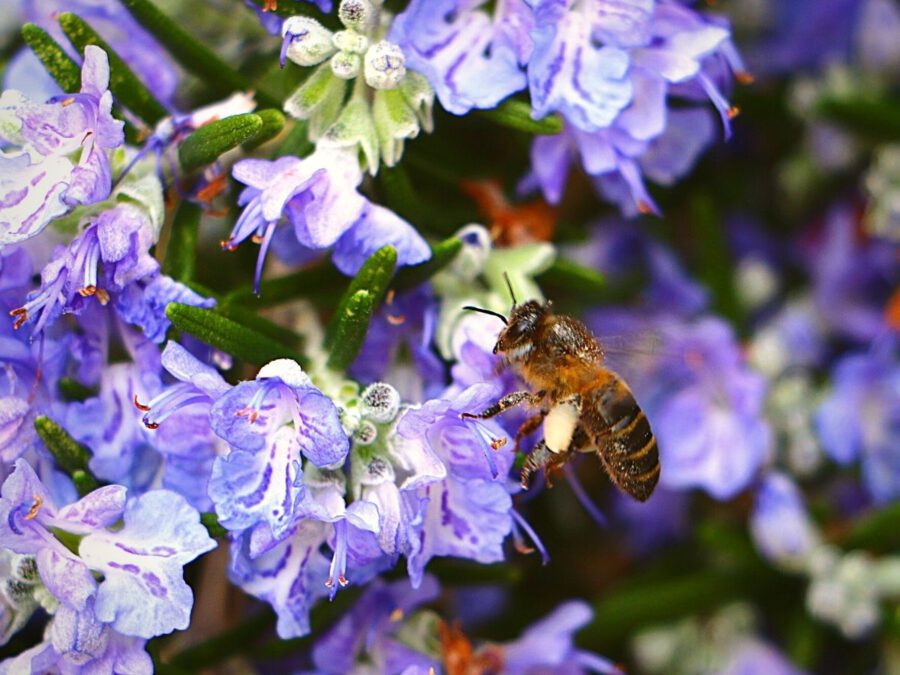
7. Rosemary
Rosemary is one of those practical plants that earns its keep. It is useful in the kitchen, handles dry conditions, and bees love the small flowers.
In warmer climates, rosemary can bloom for a long stretch, giving bees a reliable food source when other flowers fade.
This is a strong recommendation for customers who want bee-friendly plants but do not want a high-maintenance flower garden.
8. Borage
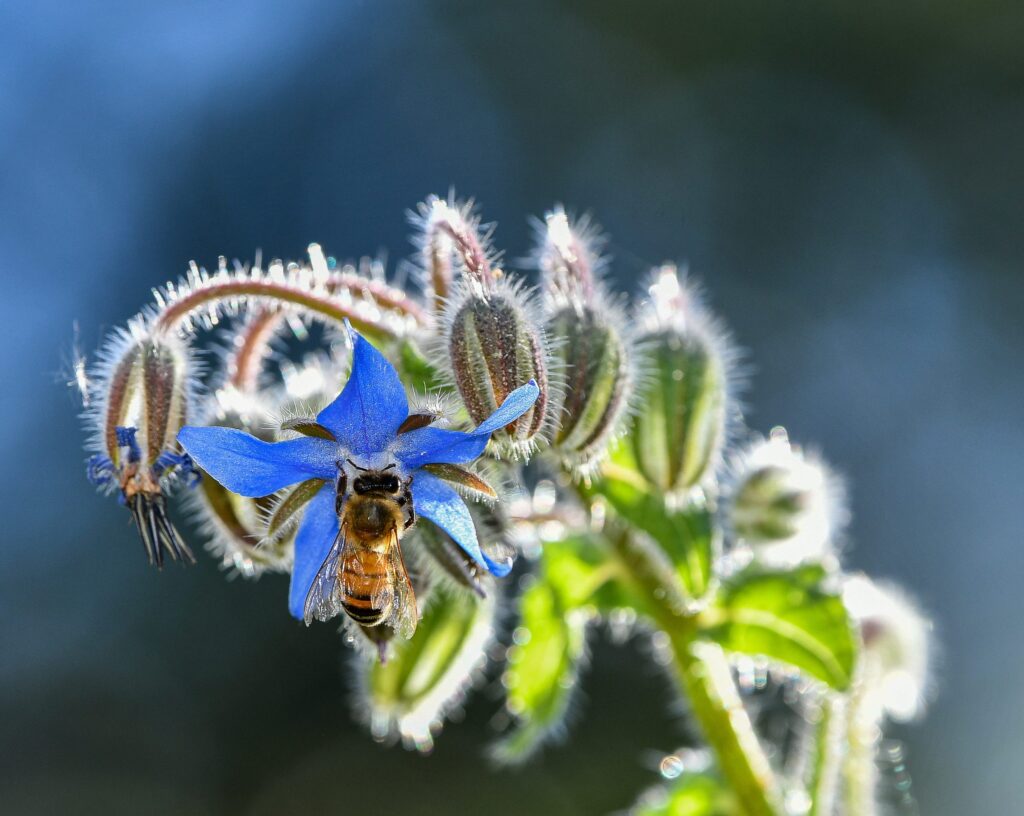
Borage is a bee magnet. Its blue star-shaped flowers are rich in nectar and easy for bees to find.
It can look a little wild, so it is best used in herb gardens, cottage-style beds, raised beds, or pollinator patches where a natural look is welcome.
9. Zinnias
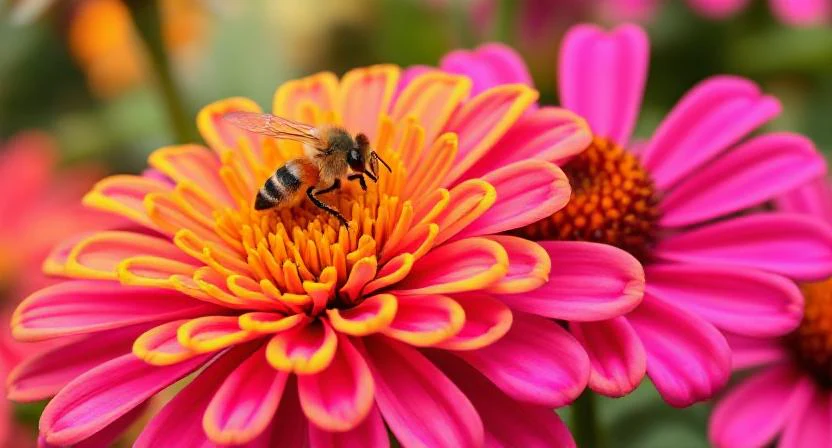
Zinnias bring color, bloom heavily, and are easy to grow from seed. Bees and butterflies both visit them.
They are a good May planting option because they can carry color into summer, especially with regular deadheading.
10. Coneflower
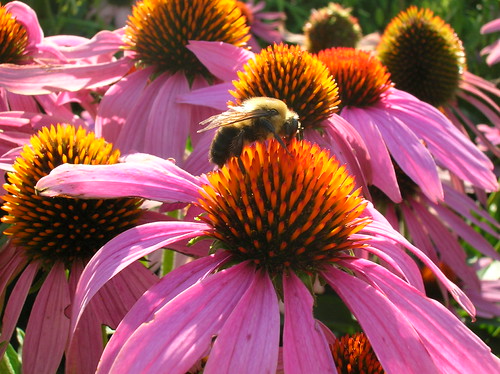
Coneflower, also known as echinacea, is another excellent pollinator plant. It has a strong center cone that bees can work easily, and it keeps gardens looking full into warmer months.
It also brings that “classic garden” look — dependable, sturdy, and not fussy.
Do Not Forget the Water
Flowers bring bees in. Water helps keep them there safely.
As temperatures rise in May, bees need water to cool the hive, dilute honey, and hydrate. The problem is that many common water sources are dangerous for bees. Deep birdbaths, buckets, pools, fountains, and ponds can all become drowning hazards.
That is the simple reason the Bee Raft exists.
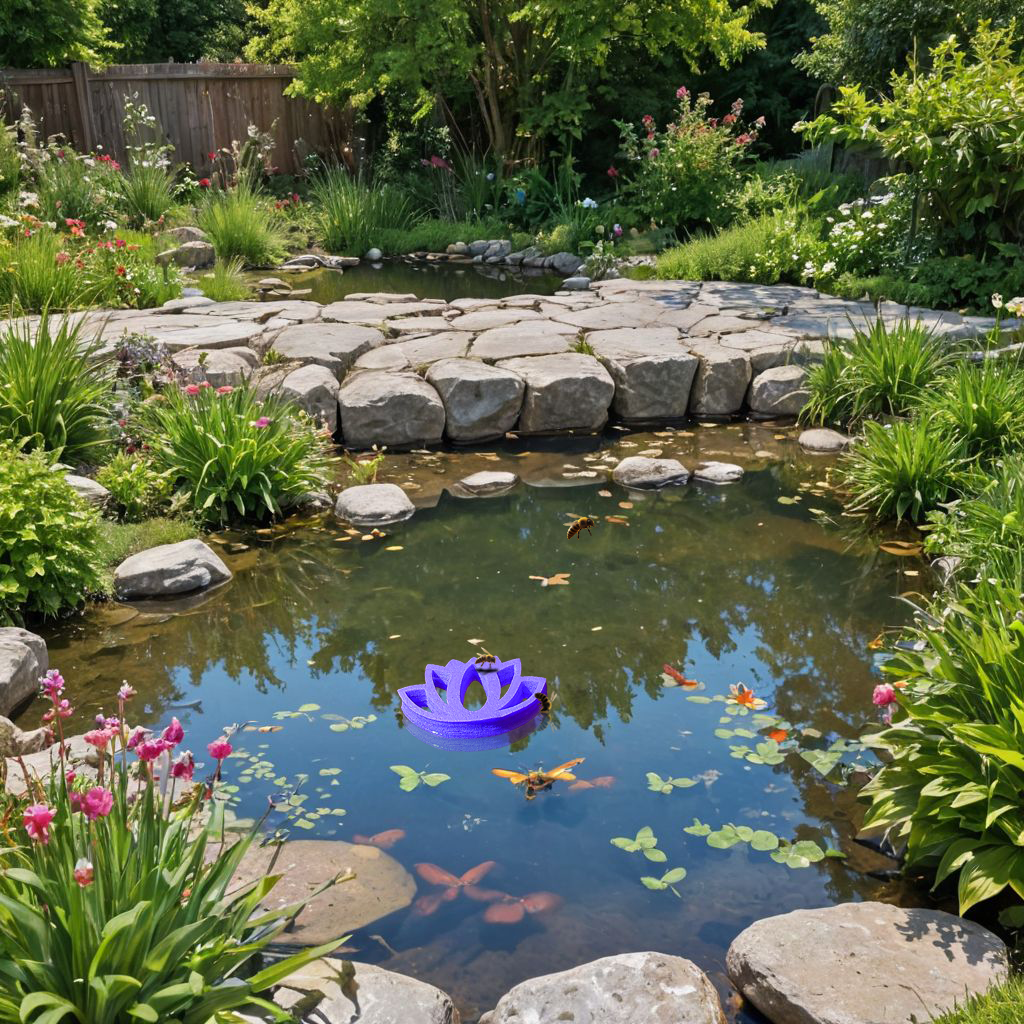
A Bee Raft gives bees a floating landing place so they can drink without falling into the water. Put it in a birdbath, pond, fountain, bucket, barrel, or other calm water source, and it instantly makes that water more bee-friendly.
Build a Simple May Bee Station
Here is a simple setup:
Place a Bee Raft in a shallow birdbath or calm fountain. Add nearby pots or garden beds with lavender, salvia, California poppy, rosemary, zinnias, or native wildflowers. Avoid pesticides. Keep the water fresh.
That is it.
No overcomplicated garden wizardry. Just flowers, safe water, and a little common sense — the old ways still work.
Final Thought
May is the perfect month to help bees because the garden is waking up and pollinators are working hard. A few bee-friendly plants can make a real difference, especially when paired with a safe water source.
Plant the flowers. Skip the pesticides. Add safe water.
The bees will handle the rest. 🐝