Why Bee Research Matters for Gardeners
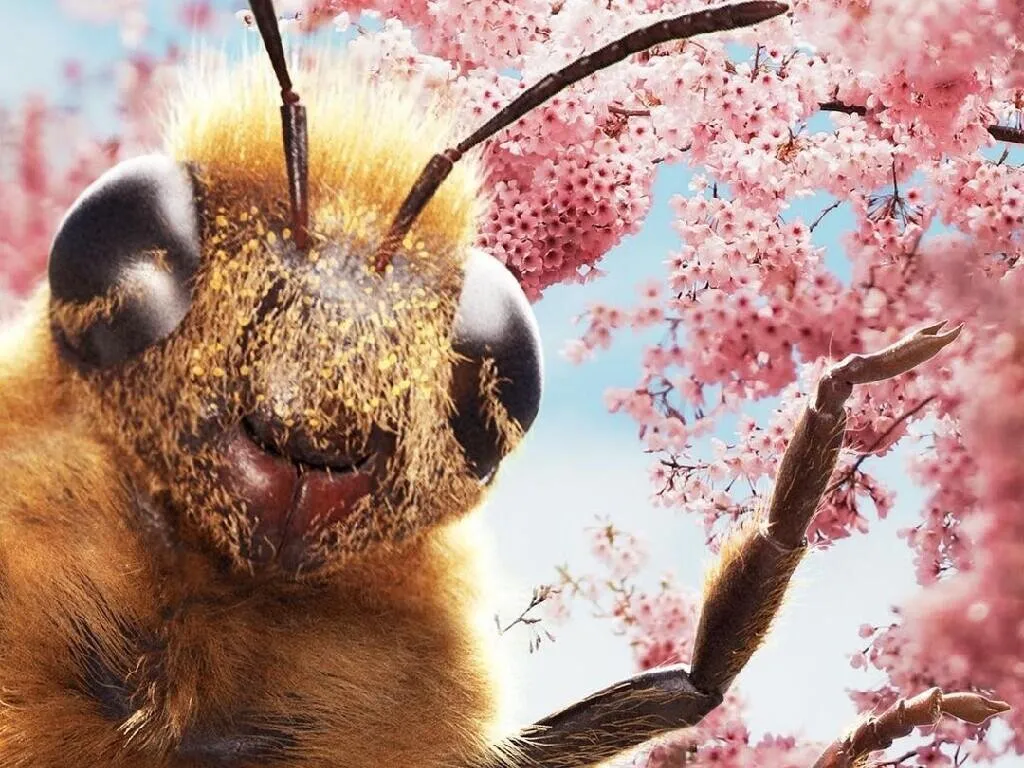
Bee research matters because bees do a lot more than buzz around flowers.
They help pollinate many of the fruits, nuts, vegetables, and flowering plants that keep our gardens, farms, and food system alive. When bees struggle, beekeepers struggle. When beekeepers struggle, farms feel it. And eventually, the rest of us do too.
A recent article from The Conversation raised a serious concern: the planned closure of the USDA’s Beltsville Agricultural Research Center in Maryland, home to one of the country’s most important bee research and disease diagnosis hubs. The Beltsville Bee Research Lab has long supported beekeepers by helping identify diseases, parasites, and other threats affecting honey bee colonies.
This is not just a beekeeper issue. It is a backyard issue, a garden issue, and a food issue.
Bees Are Under Pressure From Every Direction
Bees face a rough lineup of challenges: parasites, disease, poor nutrition, pesticide exposure, habitat loss, extreme weather, and limited clean water sources.
The USDA’s Agricultural Research Service notes that honey bee health problems often overlap. Parasites and pests, pathogens, poor nutrition, and pesticide exposure can all interact, making colony health harder to protect.
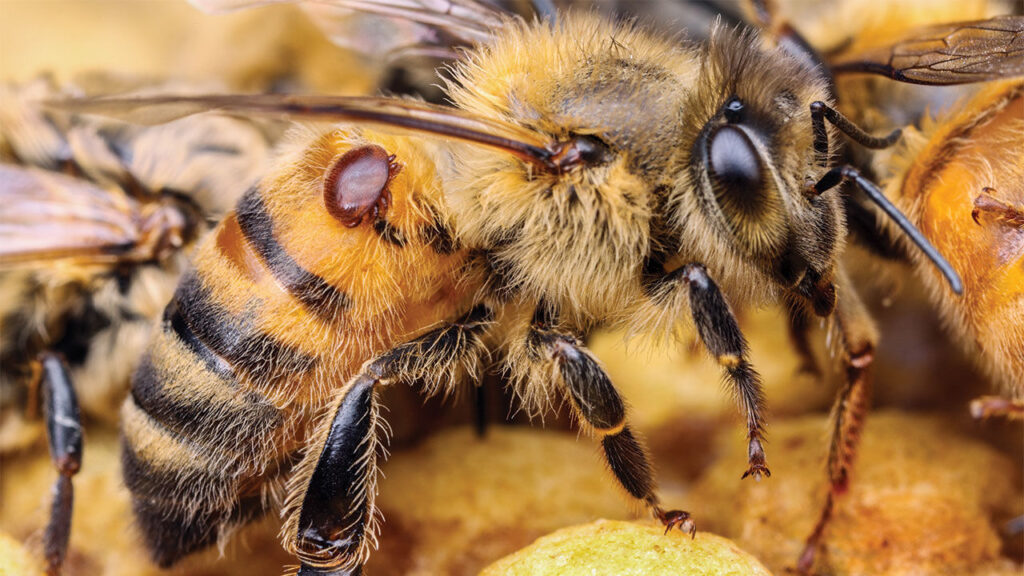
One of the biggest threats is the varroa mite, a parasite that has caused major damage to honey bee colonies since arriving in the United States in the late 1980s. The USDA describes varroa mites as a major modern threat to honey bees.
Bee research matters because it helps connect what scientists discover in the lab with what beekeepers and gardeners see in the real world.
Why Federal Bee Labs Matter
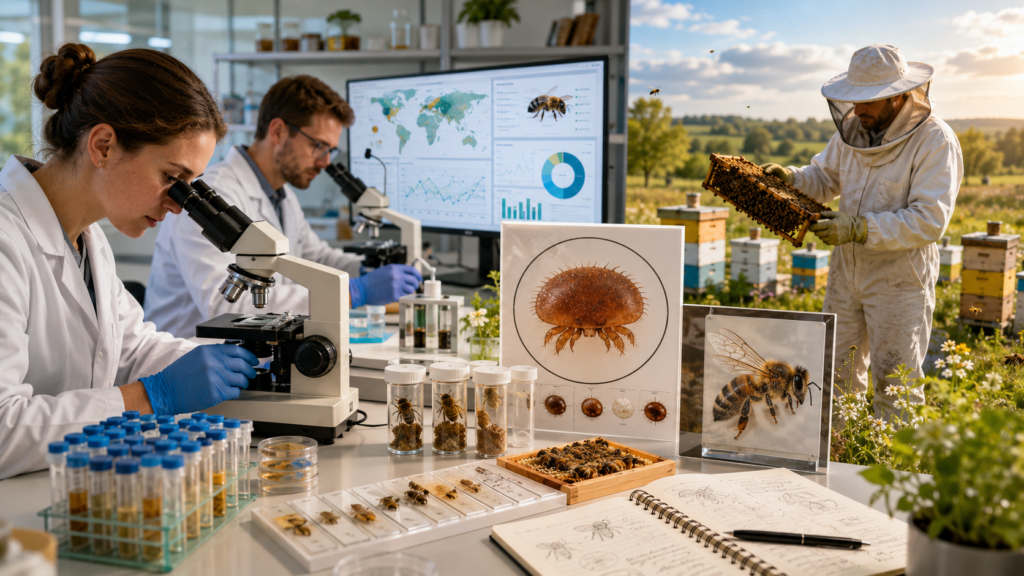
Bee research labs do the unglamorous but essential work: testing samples, tracking diseases, studying parasites, improving management practices, and helping beekeepers respond to emerging threats.
According to The Conversation, the Beltsville Bee Lab has provided a free bee disease diagnostic service where beekeepers can send samples for analysis. That kind of support is especially valuable when colony losses spike or new threats appear.
The same article reports that the lab has also helped beekeepers respond to varroa mites and prepare for emerging mite threats such as Tropilaelaps mercedesae, sometimes called “tropi” mites.
Bee research matters because it helps scientists, beekeepers, and gardeners understand the threats bees face before those problems spread. That is the kind of work most people never see — but everyone benefits from it.
Bee Health Is Food System Health
Honey bees are a key part of U.S. agriculture. The USDA states that pollination by managed honey bee colonies adds at least $18 billion to the value of U.S. agriculture every year.
The USDA also notes that about one mouthful in three in our diet directly or indirectly benefits from honey bee pollination.
That means bee health is not some niche environmental topic. It touches grocery stores, family farms, farmers markets, backyard gardens, and dinner plates.
No bees, no easy ride. Nature does not hand out participation trophies.
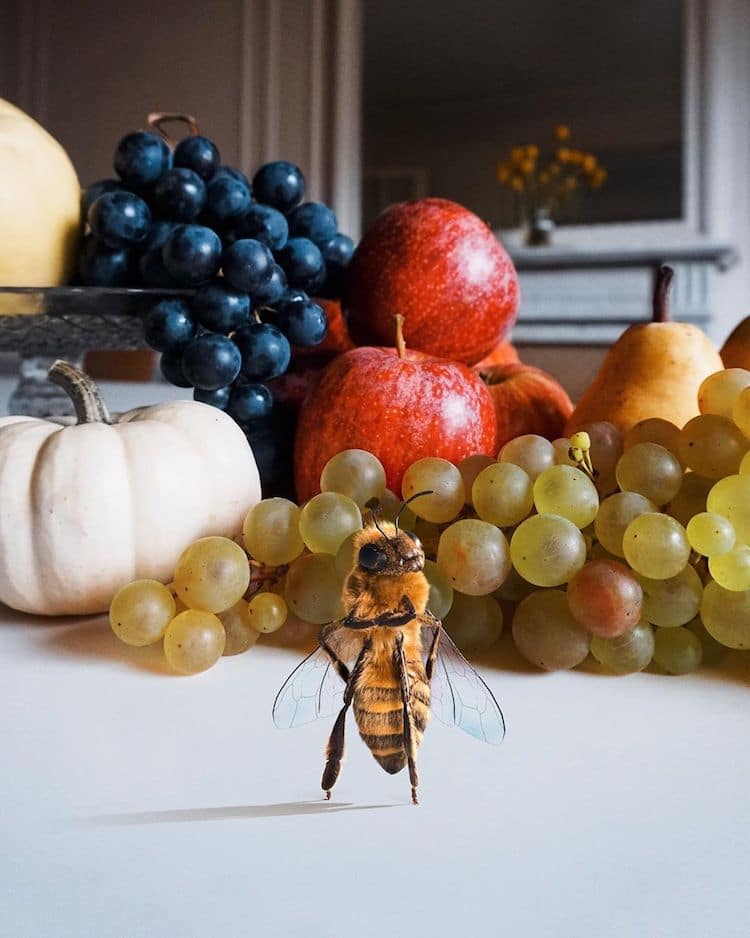
What Backyard Gardeners Can Do
Most of us cannot run a research lab. But we can make our yards, patios, gardens, and water features safer for pollinators.
Here are simple ways to help:
Plant More Bee-Friendly Flowers
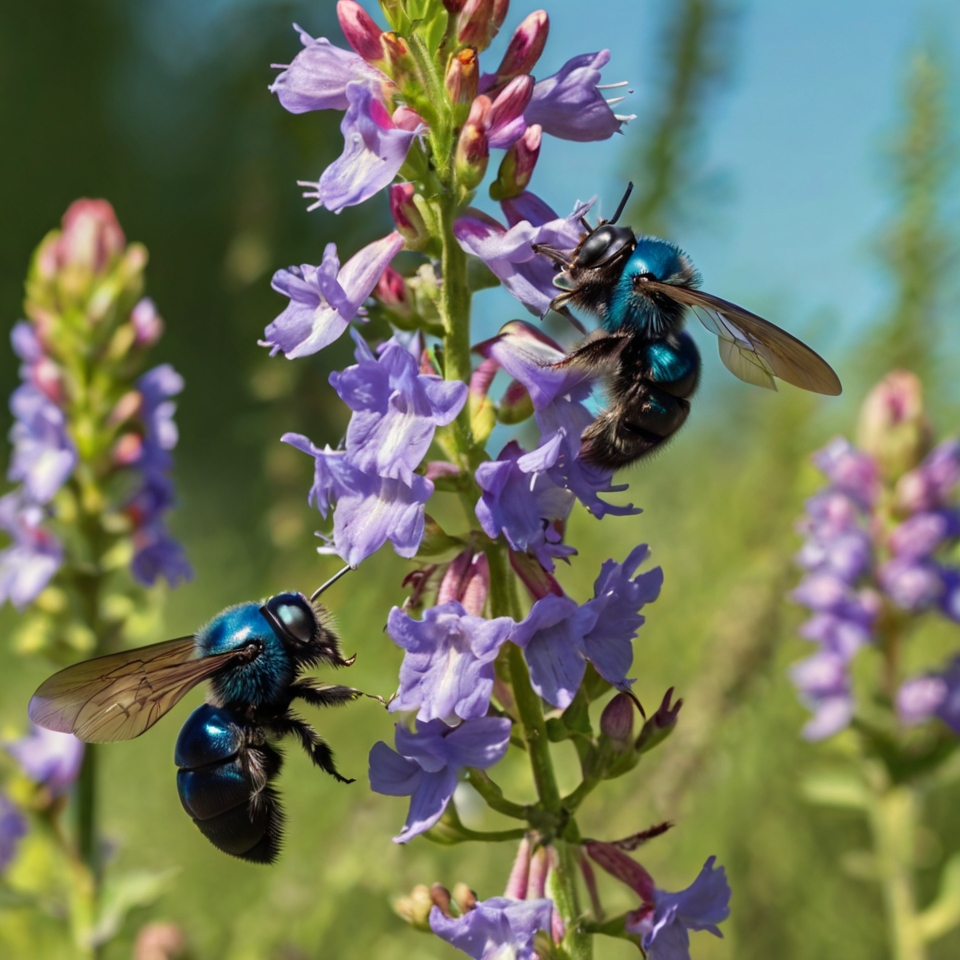
Choose plants that provide nectar and pollen across different seasons. Native flowering plants are especially valuable because local pollinators are adapted to them.
Good choices often include lavender, salvia, rosemary, sunflowers, borage, milkweed, yarrow, coneflower, bee balm, and native wildflowers.
Avoid Spraying When Bees Are Active
Many pesticides can harm pollinators, especially when applied to blooming plants. Avoid spraying flowers when bees are visiting. Better yet, use pollinator-safe garden practices whenever possible.
Leave Some Natural Habitat
A perfectly sterile yard may look tidy, but it is not always useful to wildlife. Small patches of native plants, leaf litter, bare soil, and flowering herbs can help support native bees and other beneficial insects.
Provide Safe Water
Bees need water, especially in warm weather. They use it to cool the hive, dilute honey, and stay hydrated.
The problem is that open water can be dangerous. Bees can drown in birdbaths, buckets, fountains, pools, ponds, and other backyard water sources if they cannot find a safe landing spot.
That is where a simple floating platform can make a real difference.
Give Bees a Safer Place to Land
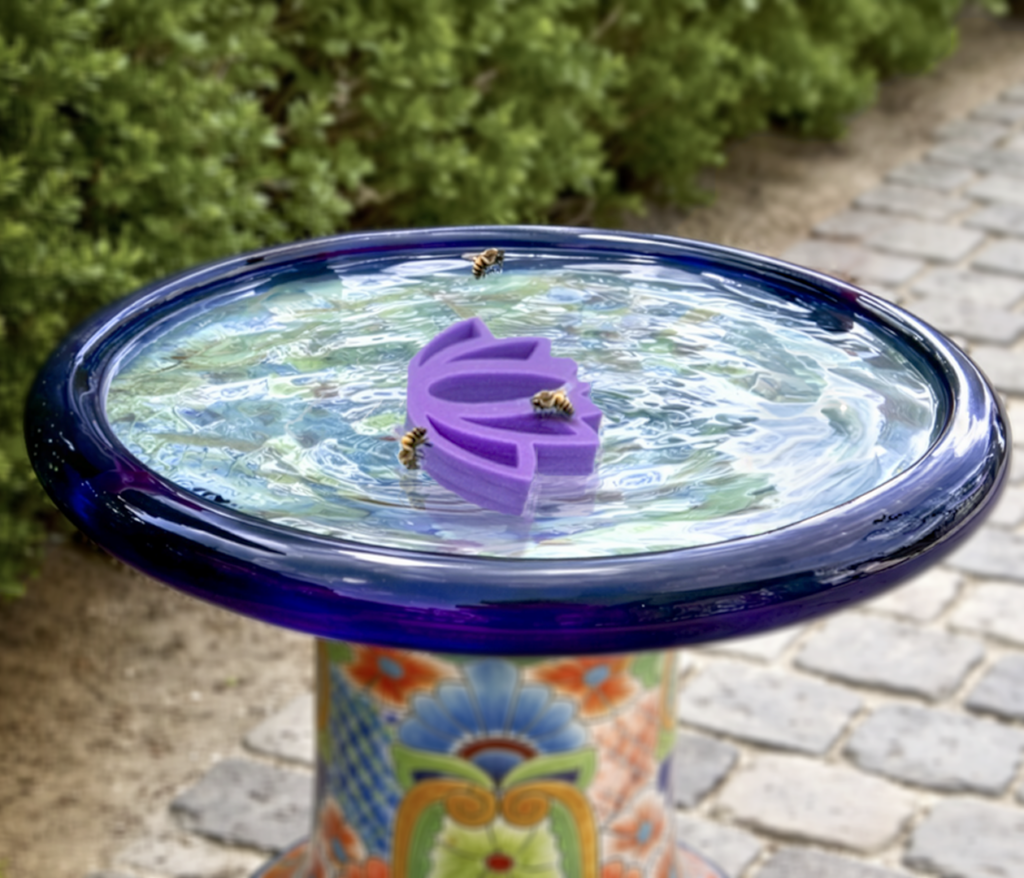
The Bee Raft was created for one practical reason: to help bees access water without drowning.
The Lotus Flower Bee Raft floats on the surface of birdbaths, fountains, ponds, buckets, barrels, and other outdoor water sources, giving bees and small pollinators a safer place to land while they drink.
It is decorative, reusable, easy to place, and designed to blend into backyard gardens without turning your birdbath into a science project gone sideways.
Small Actions Add Up
Federal research helps protect bees at the national level. Beekeepers protect colonies at the hive level. Farmers depend on pollinators at the crop level. For backyard gardeners, remembering why bee research matters is also a reminder that small choices at home can support pollinator health.
You can also visit our Bee Raft FAQ to learn how the Bee Raft works in birdbaths, fountains, ponds, buckets, and backyard water sources.
And homeowners, gardeners, and nature lovers can help at the backyard level.
We need all of it.
If you already care about bees, your garden is a good place to start.
Give bees a safer place to drink. Add a Bee Raft to your birdbath, fountain, pond, bucket, or backyard water source — and help support pollinators one landing spot at a time. 🌼