
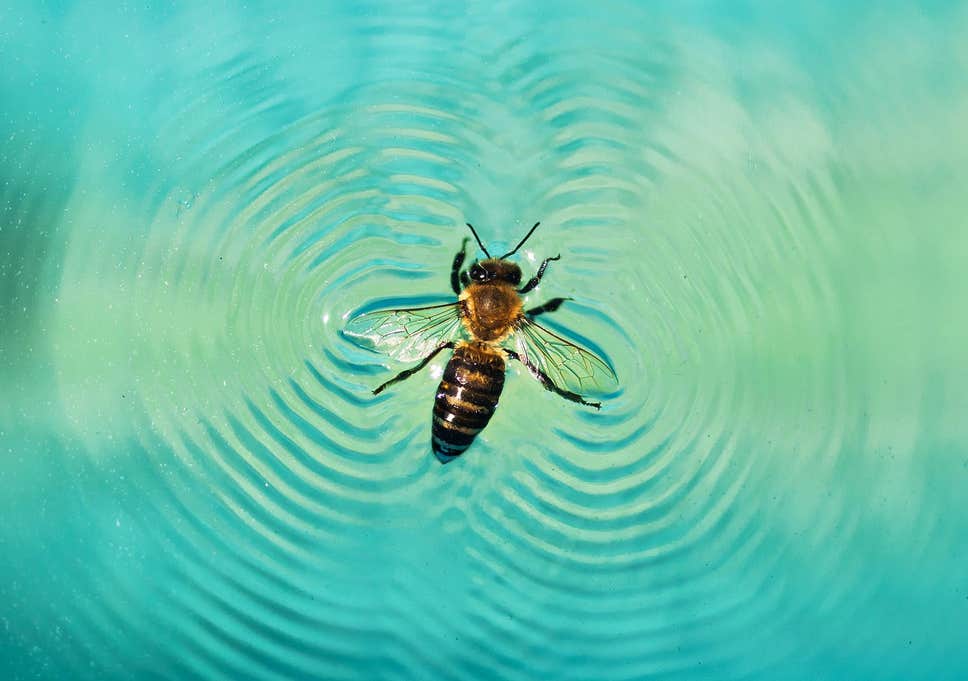
You filled your birdbath to give the birds something to enjoy. And then one morning, you looked out and saw a bee struggling at the water’s edge, or worse, a few that didn’t make it.
It’s more common than most people realize. And no, it’s not because bees are careless. There’s actually a pretty good reason it keeps happening, and a pretty simple fix.
Bees Need Water, A Lot of It
Most people don’t think of bees as water drinkers, but they are. A healthy honey bee colony can go through a liter of water or more on a warm day. They use it to cool the hive, dilute thick honey to feed their larvae, and stay hydrated on long foraging flights.
So when scout bees go searching for a reliable nearby water source, your birdbath is exactly what they’re looking for. Once they find it and report back to the colony, other bees follow. Your birdbath is now officially on their map.
That’s actually a good thing, bees visiting your yard means more pollination. The problem is that most birdbaths weren’t designed with bees in mind.
Here’s Why Your Birdbath Is a Trap
A birdbath looks harmless. But from a bee’s perspective, it’s genuinely dangerous.
The sides are smooth and sloped. There’s nothing to grip at the waterline. The water is deeper than it looks from the air. And bees, unlike birds, are tiny. When one lands at the rim to get a sip and slips in, it can’t get itself back out.
Part of the problem is biology. Bees breathe through small openings along their body called spiracles. When water covers those openings, the bee can’t get air, the same way we can’t breathe with our lungs full of water. On top of that, their wings are so thin that even a bit of water causes them to stick together, making flight impossible.
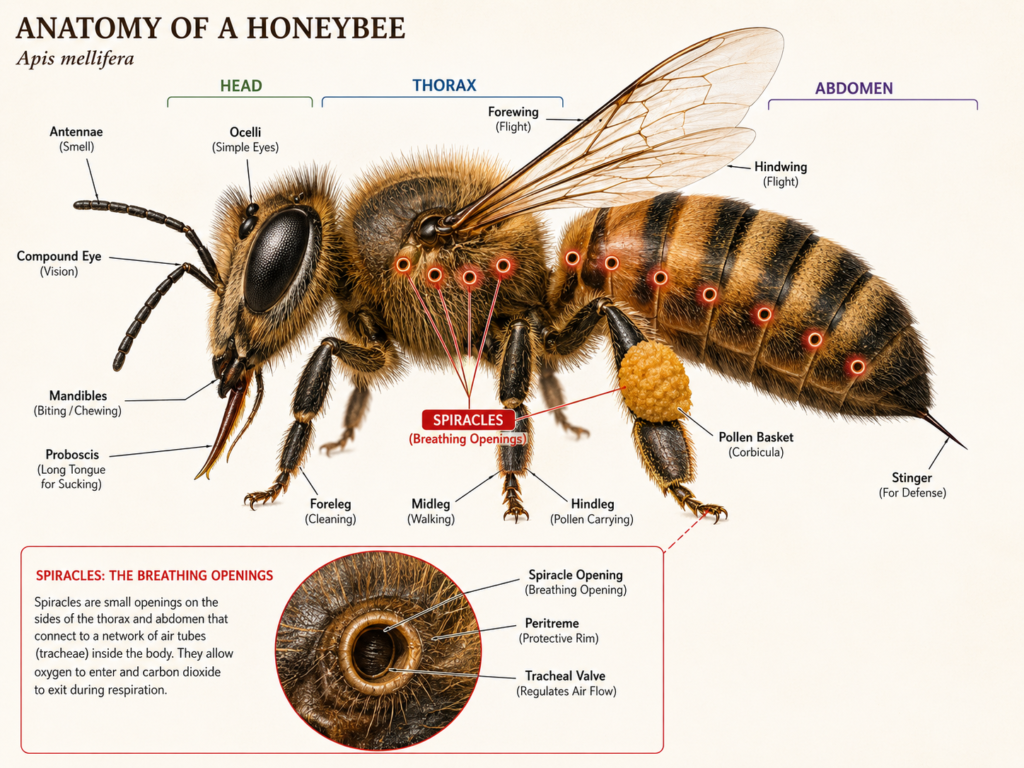
So a bee that falls in isn’t just struggling, it’s fighting against a clock it can’t win. It exhausts itself trying to climb out of a smooth-walled bowl with no foothold, and most of the time, it doesn’t make it.
It’s not your fault. It happens quietly in backyards everywhere, every day of spring and summer.
Why It Gets Worse in Warm Weather
Bees get more active as temperatures climb. More foraging flights, more water runs, more scouts hitting the neighborhood looking for sources. Spring and early summer are peak season for bee drownings because you’ve got high bee activity, new water sources that haven’t been “bee-proofed,” and lots of first-time visitors who haven’t learned the layout yet.
Hot afternoons are especially risky. Bees that are overheated and dehydrated are less coordinated, more likely to slip, and more desperate, which means they’ll lean further over the edge to reach the water.
The DIY Fixes That Actually Work
Good news: this is an easy problem to solve. A few small changes make a birdbath dramatically safer.
Add something for bees to land on. Rocks, pebbles, or flat stones set just at or above the waterline give bees a stable
A Cleaner, Purpose-Built Fix
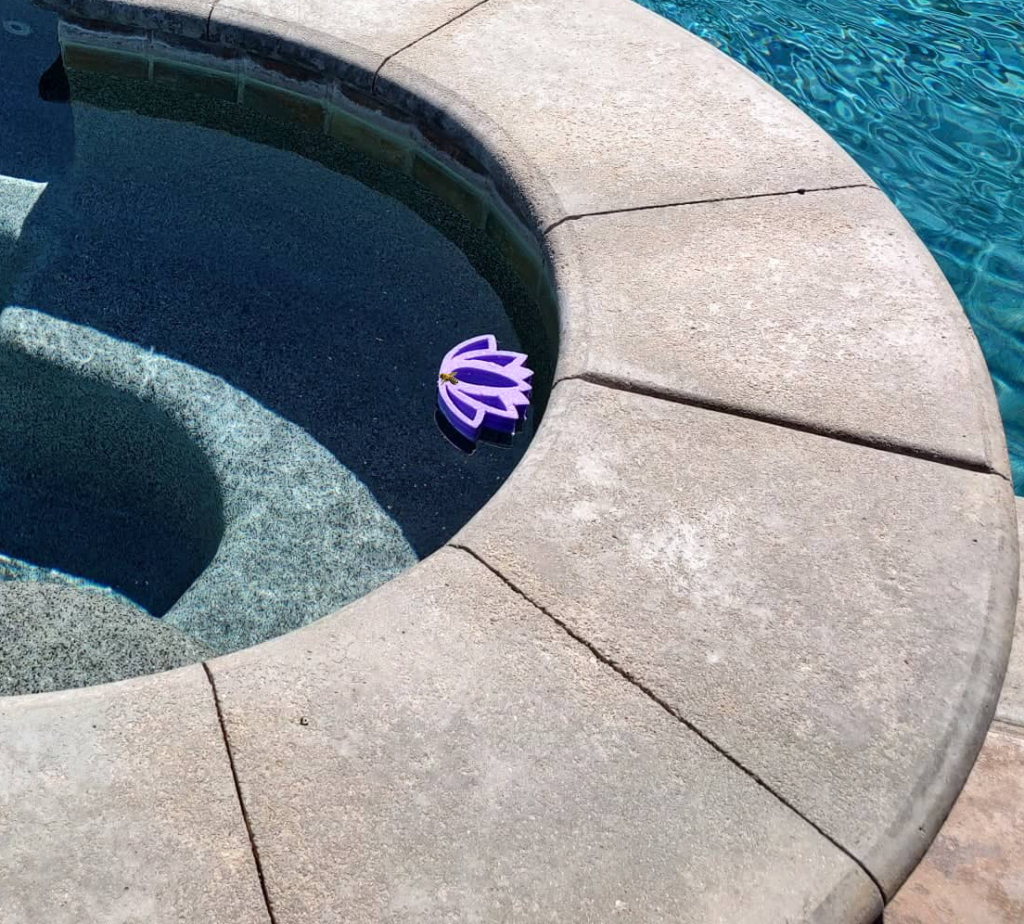
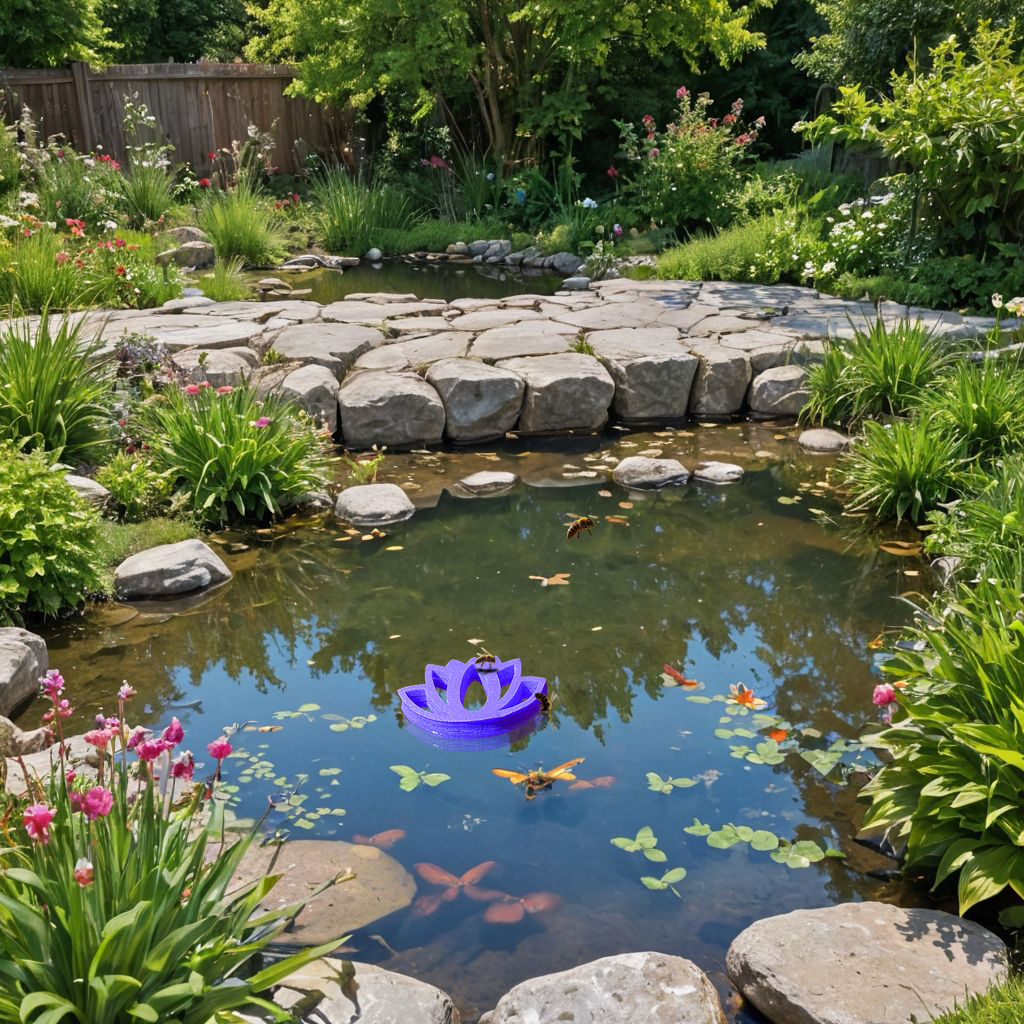
The Lotus Flower Bee Raft was designed specifically for this problem. It floats right on the water’s surface, giving bees a stable, decorative landing pad where they can drink safely without slipping in.
It works in birdbaths, fountains, ponds, and garden buckets. No tools, no anchoring, no assembly, you just set it in the water. It’s UV-resistant and won’t affect your water quality, so birds, fish, and frogs are all fine around it. And the lotus flower design actually looks like it belongs in a garden, which is more than you can say for a handful of corks.
One is usually enough for a standard birdbath. For a pond or larger feature, a couple spread across the surface gives bees more spots to land.
When to Set It Out
Spring is the most important time to have something in place. Scout bees are actively searching for water sources as soon as temperatures warm up. If they find yours early, and it’s safe and reliable, they’ll keep coming back all season.
That said, in most of the US, bees are active from early spring through late fall. Getting your birdbath sorted in March or April means you’re ready before the rush instead of reacting after you’ve already lost a few.
You’re Not Causing the Problem, But You Can Fix It
If you’re finding drowned bees in your birdbath, it doesn’t mean you’ve done anything wrong. It means your yard is attractive to pollinators, which is genuinely a good thing. They’re coming to you because there’s something worth coming to.
The fix is small. A few rocks, a cork, or a floating platform. It doesn’t take a full garden overhaul or any beekeeping knowledge. Just give them a safe place to stand, and they’ll take care of the rest.