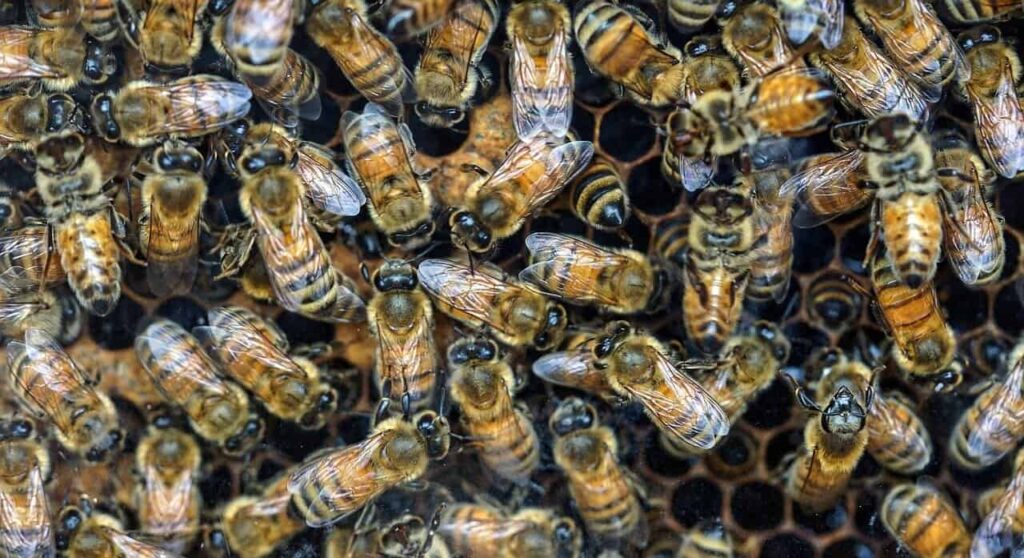
When a headline says 18 million dead bees, it should stop people in their tracks.
A recent report out of Costa Rica has raised serious concern after beekeepers in the Central Pacific region estimated that pesticide exposure has killed millions of bees this year. For a country known around the world for biodiversity, wildlife, and eco-tourism, that is more than a local beekeeping problem. It is a warning.
A recent report from The Tico Times described the loss of an estimated 18 million bees in Costa Rica’s Central Pacific region, raising serious concern about pesticide exposure and pollinator protection.
Bees are not background noise in nature. They are part of the system that keeps gardens, farms, fruit trees, wildflowers, and food production moving. When bees disappear in large numbers, the effects do not stay inside the hive.
They ripple outward.
Why This Matters Beyond Costa Rica
Costa Rica may feel far away from your backyard, but the lesson is not.
When bees are exposed to harmful chemicals, lose access to healthy habitat, or cannot find safe places to rest and drink, the entire pollinator system becomes weaker. Beekeepers see the damage first, but gardeners, farmers, and food producers eventually feel it too.
Bees help pollinate many of the plants people rely on every day. Fruits, vegetables, flowers, herbs, and backyard gardens all benefit from active pollinators. When bee populations are under pressure, the garden suffers first. Then the food system follows.
That is the part people sometimes miss.
This is not only about honey. It is about tomatoes, pumpkins, cucumbers, melons, berries, citrus, herbs, flowers, and countless backyard plants that rely on pollinator activity.
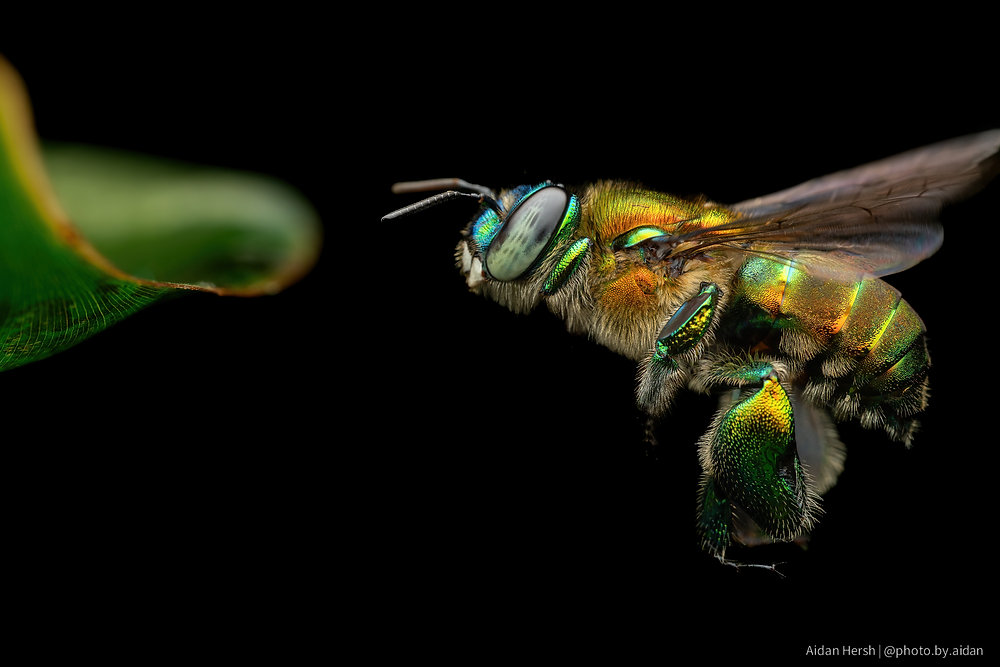
The Problem With “Out of Sight, Out of Mind”
Most people do not notice bees until they are gone.
A healthy garden often has bees moving quietly from flower to flower. They are easy to overlook because they are doing their job without asking for attention. But when something goes wrong, the silence becomes noticeable.
Fewer bees means fewer flowers pollinated. Fewer flowers pollinated means less fruit. Less fruit means a weaker garden and fewer natural food sources for wildlife.
Nature is old-school like that. Everything is connected whether we like it or not.
The Costa Rica bee deaths are a reminder that pollinators need more than good intentions. They need safer environments, better awareness, and everyday support from people who care about gardens, food, and wildlife.
What Backyard Gardeners Can Do
Most homeowners cannot control what happens in another country, and they cannot fix large-scale agricultural pesticide use by themselves. But they can make better choices in their own yard.
Start with the basics:
Avoid spraying pesticides near flowers where bees are actively feeding.
Plant pollinator-friendly flowers, herbs, and native plants.
Let some herbs and vegetables flower instead of cutting everything back.
Keep outdoor water sources cleaner and safer.
Give bees a stable place to land when they drink.
These are small steps, but small steps matter when enough people take them.
A backyard does not need to become a full wildlife sanctuary overnight. Even one birdbath, one planter, one garden bed, or one safe water source can help.
Bees Need Safe Water Too
People talk a lot about planting flowers for bees, and that is important. But bees also need water.
During warm weather, bees visit birdbaths, fountains, ponds, buckets, barrels, hot tubs, jacuzzis, and other outdoor water sources. The problem is that open water can be risky. Smooth edges, deep water, and slippery surfaces can make it hard for bees to land and drink safely.
That is where The Bee Raft fits in.
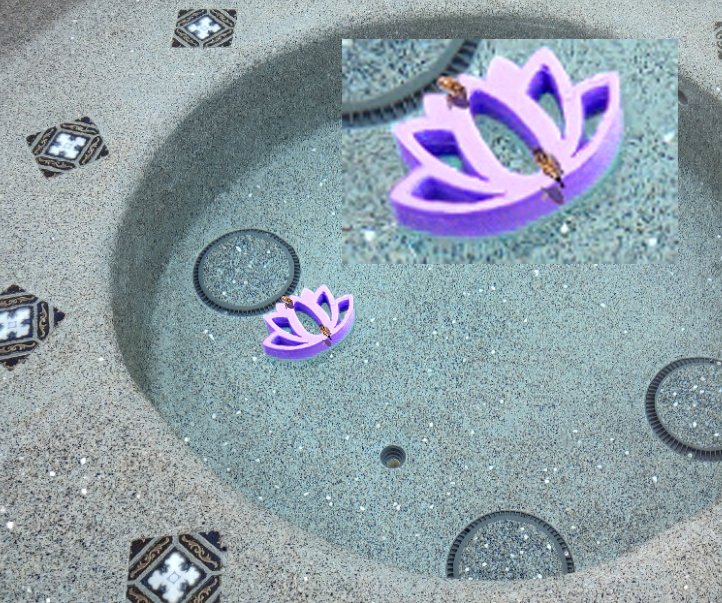
The Bee Raft is a decorative floating water platform designed to give bees and small pollinators a safer place to land while they drink from outdoor water sources. It is simple, lightweight, and easy to place in backyard water features.
It does not solve every problem facing bees. No single product does.
But it solves one real problem: giving bees a safer landing spot on water.
And sometimes, practical help beats empty concern.
A Warning Worth Listening To
The Costa Rica headline is not just about one country. It is about how fragile pollinator systems can become when chemicals, habitat loss, and human habits stack up against them.
The old way of thinking was simple: spray first, ask questions later.
That thinking is catching up with us.
A better way forward starts with awareness, restraint, and common sense. Protect flowers. Protect water sources. Support pollinators. Stop treating bees like they are optional.
They are not.
Turning Concern Into Action
It is easy to read a headline about 18 million dead bees and feel helpless. But the better response is action.
- Plant something bees can use.
- Skip unnecessary pesticides.
- Add safe water to your garden.
- Talk to your local nursery or garden center about pollinator-friendly options.
- Teach kids why bees matter.
- Support products and businesses that make pollinator care easier for everyday people.
Helping bees does not always require a grand gesture. Sometimes it starts with one flower, one water source, one backyard, and one better choice.
The Costa Rica warning is loud. We should listen.
And then we should do something useful.
Final Thought
Bees are small, but the job they do is massive.
When millions die, it is not just a bee story. It is a garden story, a food story, a farming story, and a warning about how easily people can damage the systems they depend on.
The good news is that people can also help.
Start where you are. Start with your yard. Start with safe water for bees. That is how small actions become part of a much bigger solution.