Plant Pumpkins Now for Fall Jack-O’-Lanterns, Backyard Gardens, and Happy Pollinators
If you want pumpkins ready to carve by Halloween, now is the time to start thinking like a gardener, not like a last-minute candy shopper.
Pumpkins take time. Depending on the variety, many pumpkins need roughly 90 to 120 days to mature. That means if you want big orange pumpkins sitting on your porch in October, late spring and early summer are the window to get them growing.
And here’s the part many people forget: pumpkins do not grow alone. They need healthy soil, sun, water, space, and most importantly, pollinators.
Bees help make Halloween happen. No bees, no pumpkin patch. That’s not spooky. That’s just bad gardening.
Why You Should Plant Pumpkins Early
Pumpkins are warm-season plants. They like sunshine, warm soil, and room to spread out. If you wait too long, your pumpkins may not have enough time to fully mature before Halloween.
For most backyard gardeners, planting pumpkins in late May through June gives them a better chance of being ready for fall carving, decorating, baking, or porch displays.
The exact timing depends on your climate and pumpkin variety, but the basic rule is simple:
If you want pumpkins for Halloween, do not wait until fall to plant them.
By fall, the pumpkin should already be growing, ripening, and turning that classic orange color.
Pumpkins Need Plenty of Space
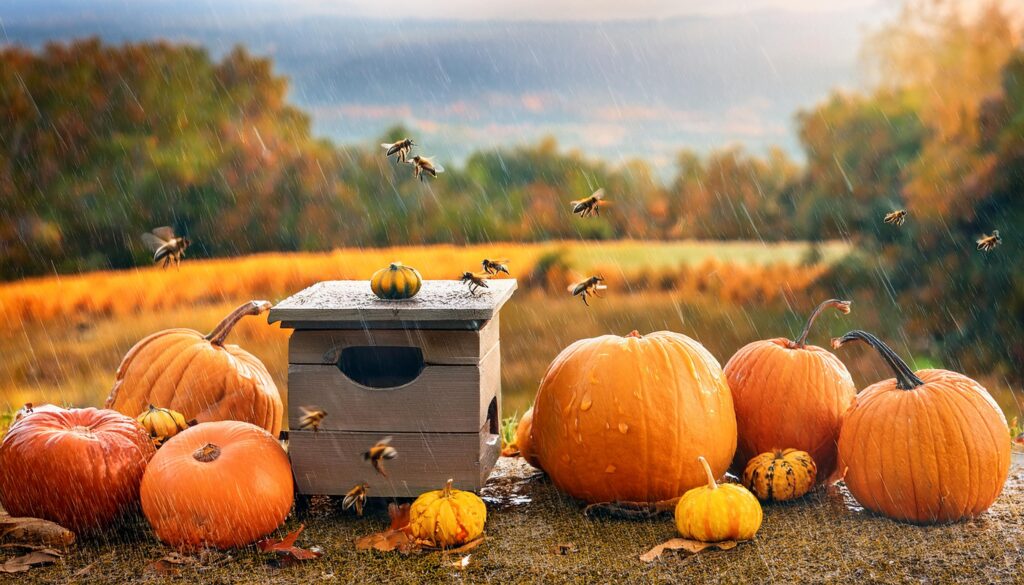
Pumpkin vines are not shy. They spread, crawl, stretch, and take over like they own the place.
Before planting, choose a sunny area with enough room for the vines to grow. Most pumpkins prefer:
- Full sun
- Warm soil
- Good drainage
- Rich compost or garden soil
- Consistent watering
- Room for vines to spread
Smaller pumpkin varieties can work better in tighter backyard gardens, while larger carving pumpkins need more space. If you are working with limited room, look for compact or semi-bush pumpkin varieties.
Bees Are Essential for Pumpkin Flowers
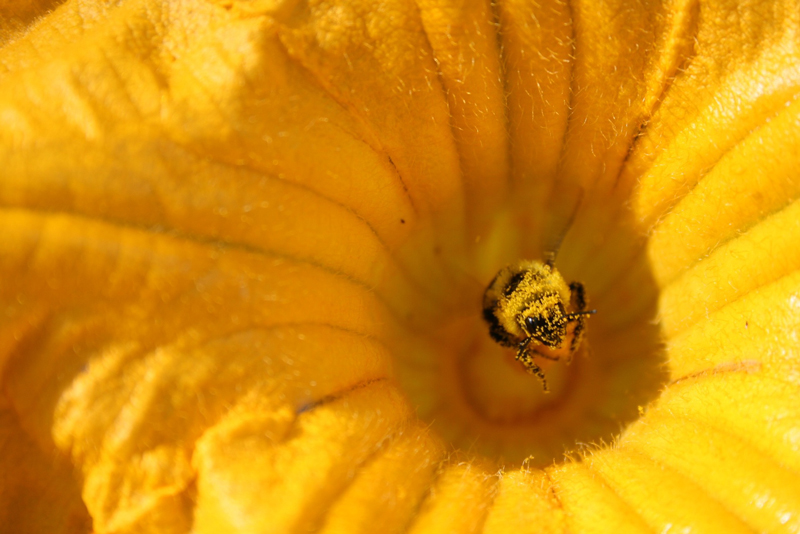
Pumpkin plants produce male and female flowers. For pumpkins to form, pollen has to move from the male flowers to the female flowers. That job is often handled by bees.
When bees visit pumpkin flowers, they transfer pollen and help the plant produce fruit. Without enough pollination, pumpkins may grow poorly, stay small, become misshapen, or fail to develop at all.
So while people usually think about pumpkins as a Halloween decoration, gardeners should think of them as part of a living pollinator system.
The better your garden supports bees, the better your pumpkin patch can perform.
How to Help Bees While Your Pumpkins Grow
A pumpkin patch can become a great pollinator-friendly space if you set it up correctly.
Here are a few simple ways to support bees while your pumpkins grow:
- Avoid spraying pesticides near pumpkin flowers
- Plant pollinator-friendly flowers nearby
- Keep a reliable water source in the garden
- Let some flowering herbs bloom
- Give bees safe places to land and drink
Bees need water, especially during warm months. But open water can be risky. Bees can fall into birdbaths, fountains, ponds, buckets, barrels, and other backyard water sources.
That is where The Bee Raft fits in.
Give Bees Safe Water While They Work
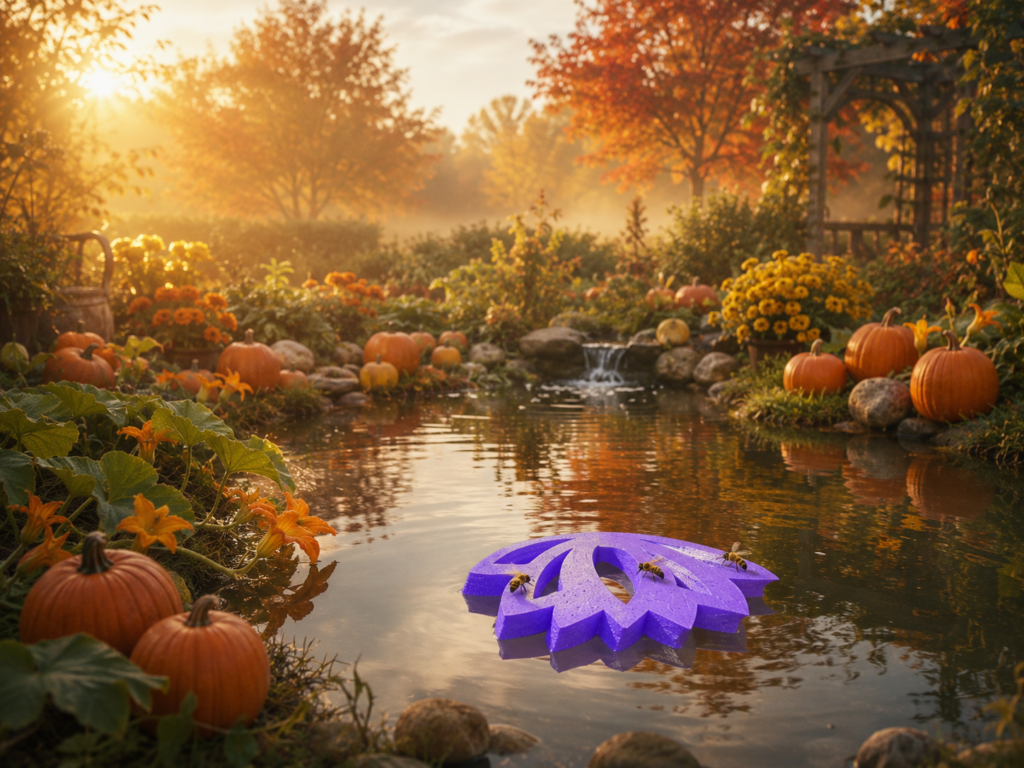
The Bee Raft is a decorative floating water platform that gives bees and small pollinators a safer place to land while they drink.
Instead of forcing bees to balance on slippery edges or floating debris, a Bee Raft creates a stable landing spot on the water surface. It can be used in birdbaths, fountains, ponds, buckets, barrels, and other outdoor water sources.
While your pumpkins are growing, bees are doing real work in your garden. Giving them safe access to water is a simple way to support them through the season.
It is a small garden upgrade with a practical purpose.
Best Pumpkin-Growing Tips for Halloween
If your goal is Halloween pumpkins, keep these basics in mind:
- Choose a pumpkin variety with enough time to mature
- Plant in warm soil after frost danger has passed
- Give vines plenty of space
- Water consistently at the base of the plant
- Avoid damaging flowers once they appear
- Encourage bees and pollinators
- Protect developing pumpkins from rot by keeping them off soggy soil
Once pumpkins start forming, place straw, cardboard, or a small board underneath them to keep them off wet ground. This helps reduce rot and keeps the pumpkins cleaner.
As Halloween gets closer, watch for the rind to harden and the color to deepen. A mature pumpkin should feel firm and sound hollow when tapped.
Pumpkin Gardens Are Pollinator Gardens
Halloween may be the reason people plant pumpkins, but pollinators are one of the reasons pumpkins succeed.
A backyard pumpkin patch can feed bees, support your garden, and create something fun for the family months later. That is the old-fashioned beauty of gardening: plant now, enjoy later.
No shortcuts. No magic wand. Just seeds, sun, soil, water, bees, and patience.
And when October rolls around, that jack-o’-lantern on the porch is not just a decoration. It is proof that your garden did its job.
Final Thought
If you want pumpkins ready for Halloween, start planting now and support the bees that help make those pumpkins possible.
Plant the seeds. Give them sun. Keep the soil watered. Let the flowers bloom. And give your pollinators a safe place to drink while they help your garden grow.
That is how you turn a backyard into a pumpkin patch — and a pumpkin patch into a pollinator-friendly win.