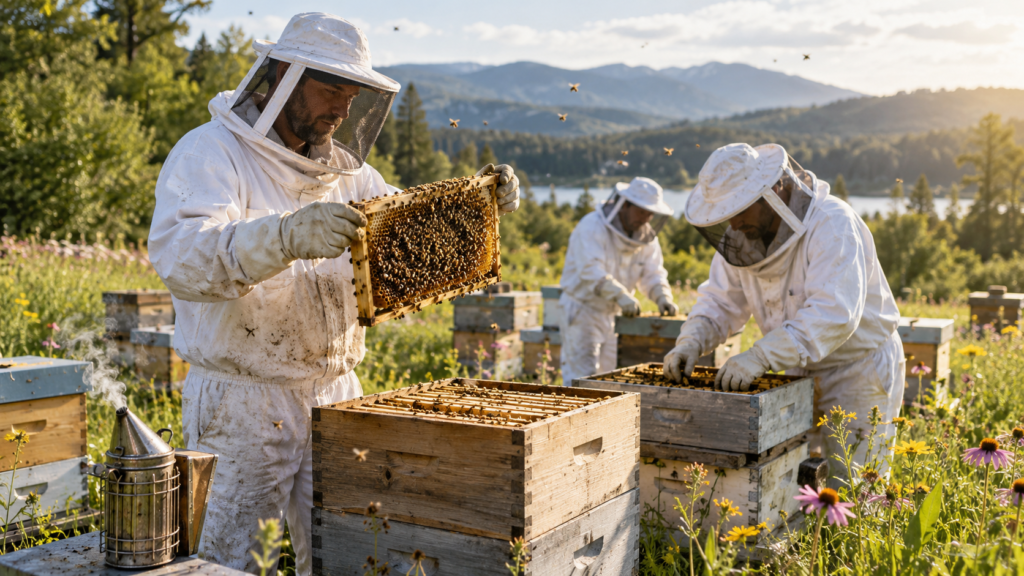
Tariffs are affecting beekeepers and honey producers at a time when the industry is already dealing with plenty of challenges, including weather, hive health, forage availability, equipment costs, and changing environmental conditions.
Beekeeping already comes with plenty of challenges: weather, hive health, forage availability, equipment costs, and changing environmental conditions.
Now international trade disputes are adding another one.
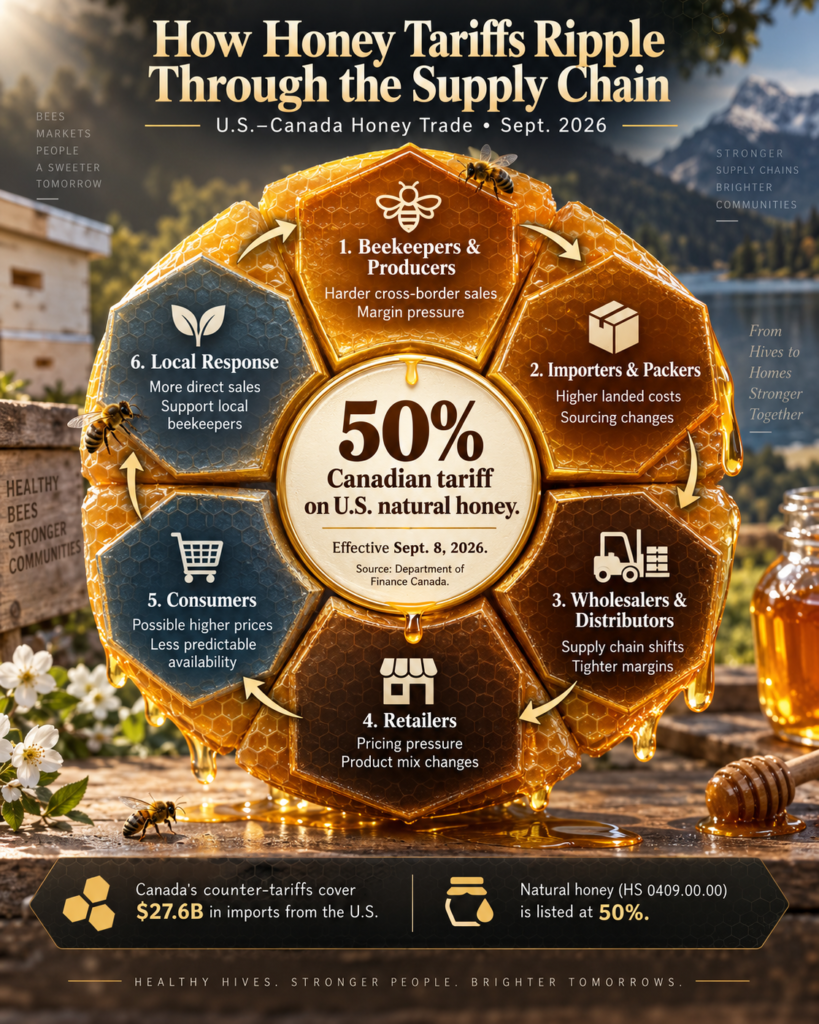
Recent tariff actions between the United States and Canada are affecting a wide range of agricultural and consumer goods, including natural honey. Canada’s latest counter-tariff schedule applies a 50% tariff to natural honey imported from the United States, effective September 8, 2026.
That matters because honey production does not exist in isolation. Beekeepers operate within a larger supply chain involving hive equipment, packaging, transportation, retail distribution, agricultural inputs, and cross-border trade.
When those costs rise, the pressure eventually reaches beekeepers, retailers, and consumers.
Why Are Tariffs Affecting Honey and Beekeeping?
When a product crosses a border and is subject to a tariff, the importer pays an additional cost. Depending on the market, that added expense may be absorbed by the business, passed along to customers, or split somewhere in between.
In the current U.S.-Canada trade dispute, Canada has introduced counter-tariffs ranging from 15% to 50% on billions of dollars’ worth of U.S. products. Natural honey is among the products facing the highest rate.
For beekeepers and honey businesses, that can mean:
- Higher costs on cross-border honey
- Greater pressure on profit margins
- More complicated sourcing decisions
- Changes in wholesale and retail pricing
- Increased incentive to sell locally
- More uncertainty for small producers
How Tariffs Are Affecting Beekeepers and Honey Producers
It is certainly possible.
Tariffs do not automatically determine the final retail price, but they do increase costs somewhere in the supply chain.
A beekeeper, distributor, importer, or retailer may decide to absorb part of the increase. Others may raise prices.
The larger point is that agricultural businesses with already-thin margins are more vulnerable when unexpected costs suddenly appear.
For small-scale beekeepers, even modest changes in equipment, transportation, packaging, or distribution expenses can matter.
Why This Matters Beyond Honey
Bees are often discussed in terms of honey.
But their importance goes much further.
Honey bees and other pollinators contribute to agricultural systems, gardens, natural ecosystems, and food production.
Supporting pollinators therefore is not simply about buying a jar of honey.
It is about supporting the conditions bees need to survive and function.
That means thinking locally.
What Can You Do to Help Bees Locally?
You cannot personally control international trade policy. You can control what happens in your own yard, garden, balcony, farm, or community. Here are some of the easiest ways to support bees close to home.
1. Plant Flowers Bees Can Use
Choose flowering plants that provide nectar and pollen A mixture of plants that bloom at different times can help provide food through more of the year. Native plants can be especially useful because local pollinators are already adapted to them.
2. Provide Access to Water
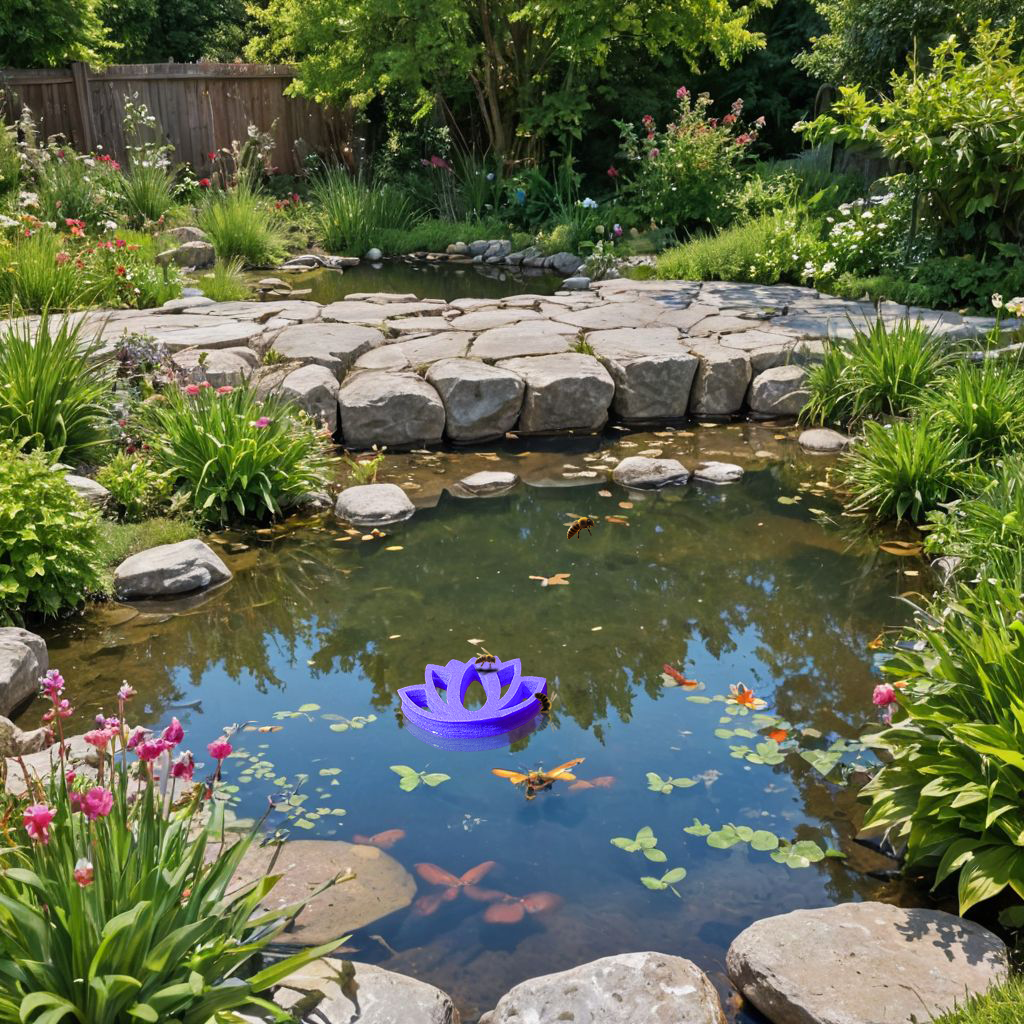
Bees need water Birdbaths, fountains, ponds, garden containers, and other outdoor water sources can attract bees, especially during hot or dry weather. The challenge is that open water does not always provide an easy landing area. Giving bees a stable place to land near the water can make these sources easier for them to use.
3. Reduce Unnecessary Chemical Use
Be thoughtful about pesticide and chemical use around flowering plants. If treatment is necessary, follow the product directions carefully and consider timing applications when pollinators are less active.
4. Support Local Beekeepers
Buying local honey is one straightforward way to support nearby beekeeping businesses. Local farmers markets, farm stands, beekeeping associations, and independent shops may carry honey produced in your own region. When trade disruptions create uncertainty, local customer support can become even more valuable.
5. Create Small Pollinator-Friendly Spaces
You do not need acres of land. A few flowering containers, a small water station, or part of a backyard garden can still provide useful resources. Small actions become much more meaningful when thousands of people make them.
Where Bee Rafts Fit In
The Bee Raft was created around a very simple idea:
If bees are going to visit backyard water, give them a better place to land.
Bee Rafts float on the surface of suitable birdbaths, fountains, ponds, and garden water features, providing bees with an additional landing platform.
It does not require changing your entire yard.
You simply improve a water source you may already have.
That is exactly the kind of practical, local action that becomes more important when larger agricultural and economic pressures feel far outside an individual person’s control.
Local Action Still Matters
International tariffs, agricultural policy, and global trade are complicated. Helping a bee in your backyard is not.
You can plant flowers.
You can support a local beekeeper.
You can provide water.
You can give bees a place to land.
Those actions may seem small compared with international trade disputes, but pollinator support has always worked that way: one garden, one water source, and one habitat at a time.
Frequently Asked Questions
Are tariffs affecting honey in 2026?
Yes. Canada’s counter-tariff measures effective September 8, 2026 include a 50% tariff on natural honey originating from the United States.
Do tariffs hurt beekeepers?
They can. Tariffs may increase the costs of honey, equipment, materials, transportation, or other supplies depending on where products are sourced.
Will honey prices increase?
Possibly. Higher import costs can eventually lead to higher wholesale or retail prices, although individual producers and sellers determine how much of those costs they absorb.
How can I support beekeepers?
Buying locally produced honey, supporting independent beekeeping businesses, planting pollinator-friendly flowers, and creating bee-friendly habitat are all practical options.
How can I give bees water safely?
Provide clean water along with stable landing areas such as stones, floating material, or a purpose-built floating landing platform.
Final Call to Action
Support bees where you live.
Create a pollinator-friendly garden, support local beekeepers, and make the water already in your backyard easier for visiting bees to use.
Learn more about Bee Rafts at BeeRaft.com.