Extreme summer heat isn’t just uncomfortable for people. Bees have to deal with it, too.
A recent Yahoo News/AccuWeather report, “Extreme heat is keeping bees from pollinating. Here’s why that could affect your grocery bill,” highlights a problem that deserves more attention: when temperatures climb, honeybees may have to devote more effort to regulating the temperature inside their colonies instead of spending that time out foraging and pollinating plants.
For homeowners in Southern California, this story hits particularly close to home.
Key Takeaways
- Honeybees use water as part of their natural cooling system during hot weather.
- Hot, dry Southern California summers can also mean fewer available flowers, nectar and natural water sources.
- Extreme temperatures can affect both managed honeybees and native pollinators.
- Providing reliable water, pollinator-friendly plants and safe places to land can help make a backyard more supportive to visiting bees.
- A Bee Raft can provide a floating landing surface in birdbaths, fountains, ponds and other suitable water features.
What Happens to Honeybees When It Gets Extremely Hot?
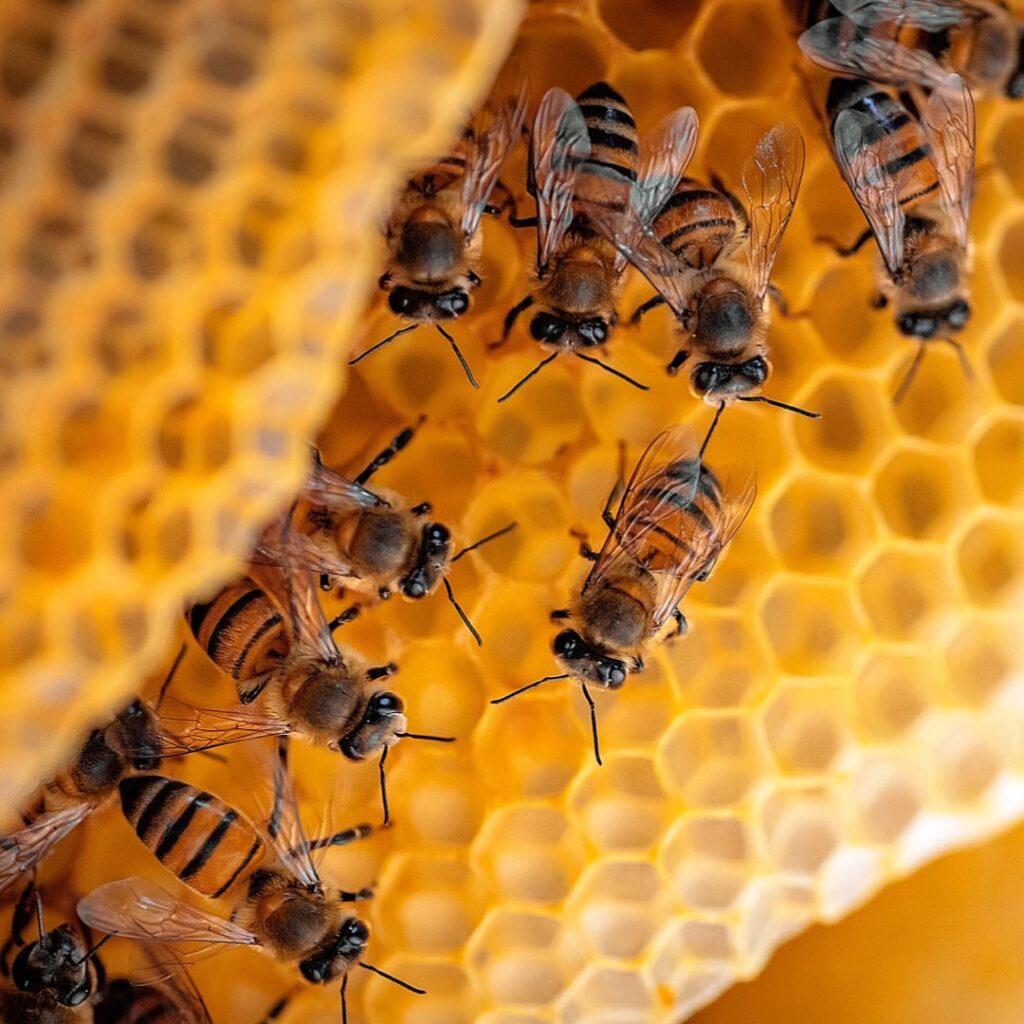
A honeybee colony has its own surprisingly sophisticated air-conditioning system.
UC Agriculture and Natural Resources explains that during hot weather, bees collect water, spread it inside the hive and fan their wings. As that water evaporates, it helps cool the colony. Maintaining appropriate temperatures inside the hive is especially important for developing brood.
That means water isn’t simply something bees drink when they’re thirsty.
It is part of the colony’s cooling system.
UC ANR notes that during warm weather, honeybees use water for evaporative cooling as well as other colony needs. When reliable water isn’t available nearby, bees will search elsewhere — including birdbaths, ponds, pet dishes and other backyard sources.
This creates an important connection to the recent extreme-heat story. If more workers are needed to collect water and participate in cooling the colony, those bees aren’t simultaneously out visiting flowers.
Why This Matters Even More in Southern California
Here in Southern California, bees already live with conditions that are quite different from many wetter areas of the country.
UC Cooperative Extension specifically notes that in arid Southern California, the natural supply of nectar and pollen can decline during summer. At the same time, hot-weather colonies need water for evaporative cooling.
And heat isn’t the only issue.
Drought can reduce the floral resources pollinators depend on. USDA research examining bees in warming and drying environments has found drought to be an important threat to bee diversity, while the USDA Climate Hubs warns that extreme weather can reduce the pollinators available for crop and plant reproduction.
Southern California’s bees do have some advantages. UC Riverside researchers have identified locally adapted honeybees that appear unusually tolerant of the region’s heat and drought. But heat tolerance doesn’t mean unlimited heat tolerance, and it certainly doesn’t eliminate the need for food and water.
Native bees deserve attention as well. Some species are better suited to hot, dry conditions than others, while bumblebees can be particularly vulnerable to high temperatures. USDA-supported research notes that many bumblebees are adapted to relatively cool conditions and can face difficulties as heat waves push temperatures well beyond those ranges.
What Can Homeowners Do?
We can’t control the temperature outside, but we can make our yards less hostile to pollinators during extreme heat.
1. Provide a Consistent Water Source
Birdbaths, shallow fountains, garden ponds and other water features can provide valuable water for visiting bees.
The important part is accessibility.
Bees need somewhere they can approach the water without simply dropping into deep open water.
2. Give Bees Somewhere to Land
Rocks and other partially exposed objects are commonly used as landing surfaces.
Another option is a floating platform.
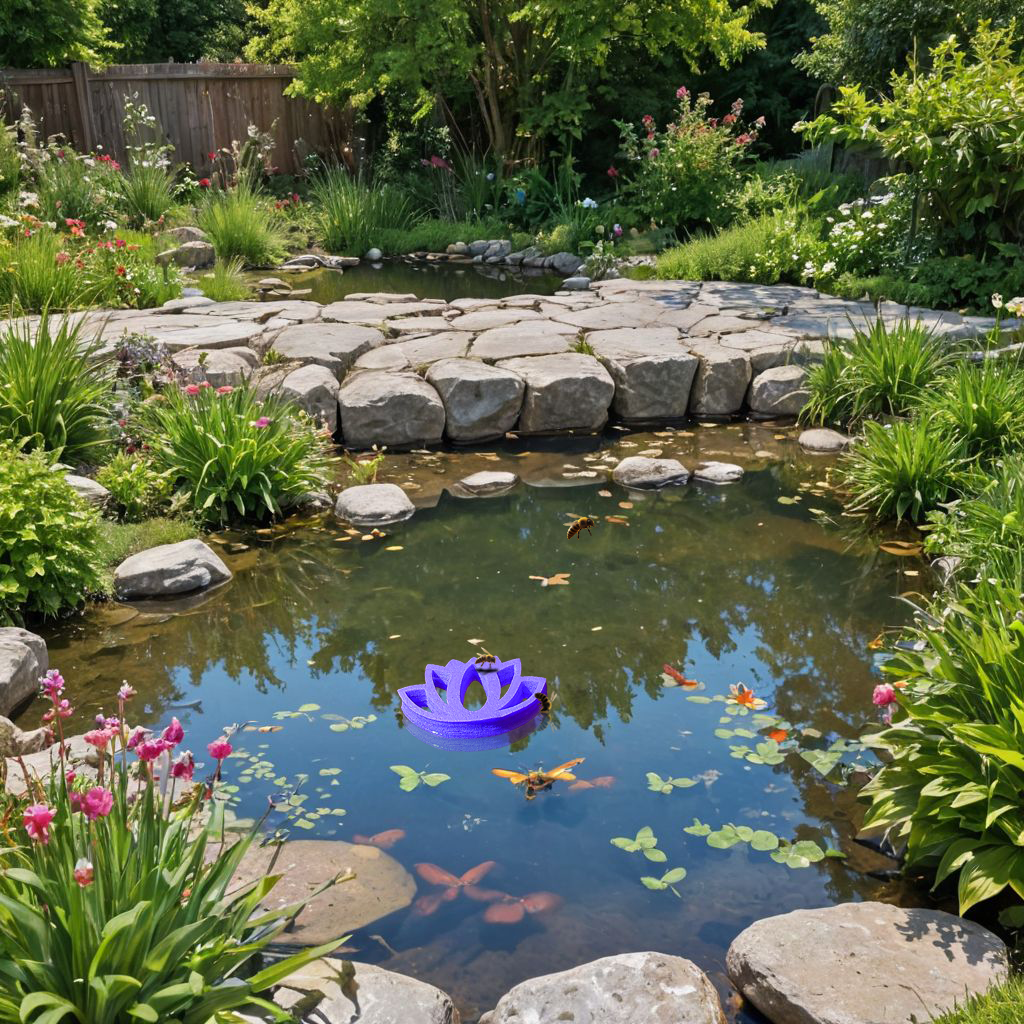
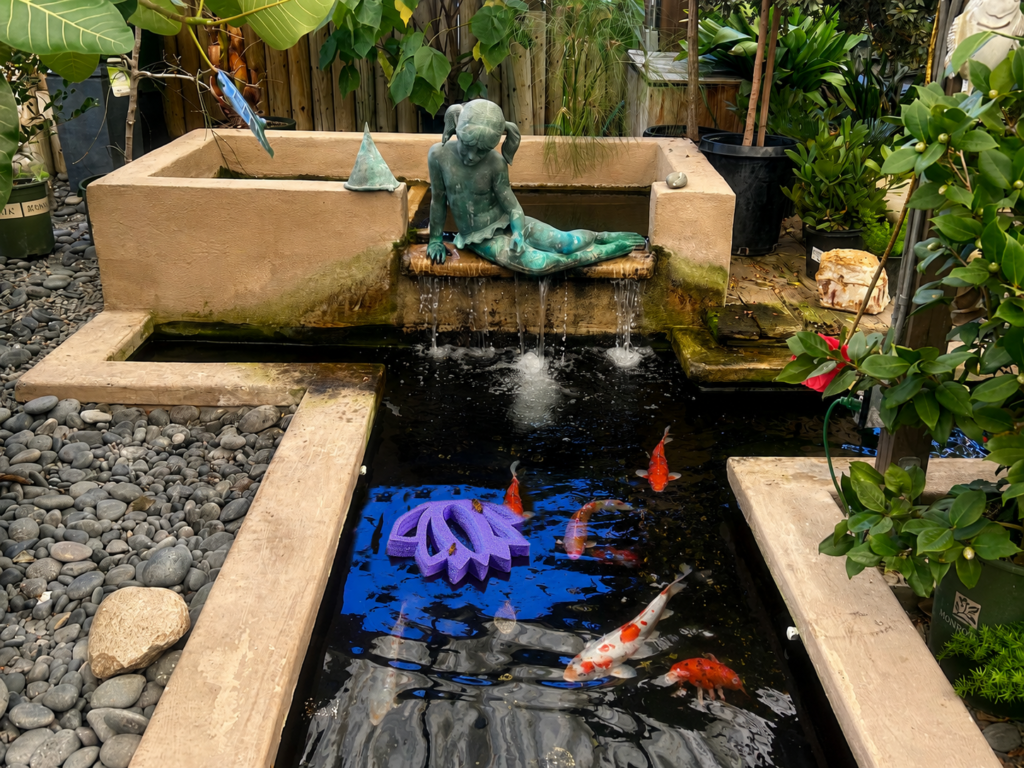
The Lotus Flower Bee Raft floats directly on the water and creates a dry landing area where visiting bees can stop while accessing the surrounding water.
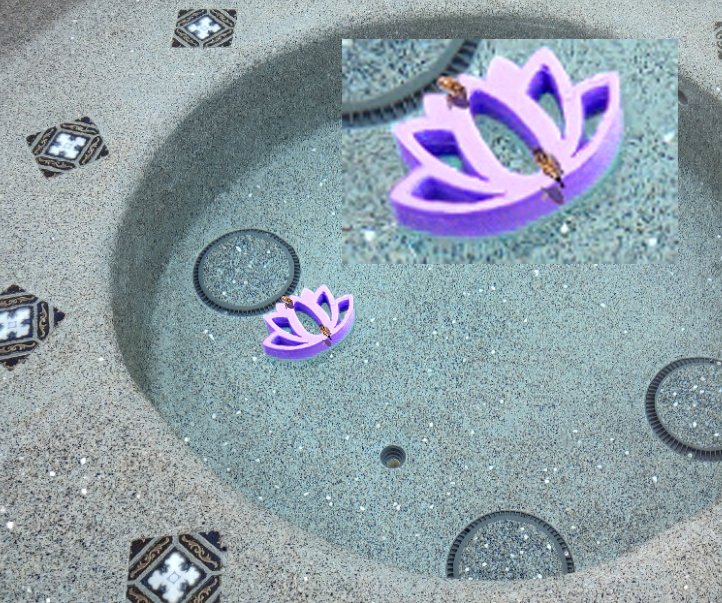
For our current small Bee Raft, we recommend birdbaths, fountains, garden ponds, buckets and similar smaller water features rather than swimming pools, where the raft can be drawn into the skimmer.
3. Keep Water Available
Once bees discover a water source, they may return to it.
That makes consistency useful, particularly during prolonged periods of heat. UC ANR recommends maintaining a continuous source of fresh water rather than allowing a known water source to disappear during the hottest part of the season.
4. Keep Something Blooming
Water solves only part of the problem.
Pollinators still need nectar and pollen. UC ANR notes that drought-tolerant plants such as yarrow, coyote mint and sunflowers can provide resources for bees during summer conditions.
A combination of food + water + habitat makes a yard much more useful to pollinators than any single feature alone.
From the Hive to the Grocery Store
This is where the Yahoo/AccuWeather story becomes bigger than a backyard gardening issue.
Pollination connects bees to agriculture and ultimately to the food system. USDA notes that climate change and extreme weather can affect pollinator availability and the pollination services on which crops and flowering plants depend.
That doesn’t mean one heat wave suddenly empties grocery-store shelves.
It means that repeated extreme heat, drought, reduced flowers and stressed pollinator populations can place additional pressure on a biological system agriculture relies upon.
And that’s a pretty good reason to give these little workers a hand.
A Small Thing That Can Make Your Yard More Bee-Friendly
Nobody can fix extreme heat from a backyard.
But a backyard can still become one more place where a bee finds flowers instead of bare ground — and water instead of a dead end.
For Southern California homeowners especially, providing reliable water during our long, hot and dry summers is one simple way to make outdoor spaces more welcoming to pollinators.
If you already have a birdbath, fountain or garden pond, adding a safe floating landing area takes only a few seconds.
Give bees a place to land. Give them access to water. Let them handle the rest.