Before you crack open the chips and salsa this May, meet the tiny workers behind every bite.
The Secret Ingredient in Every Cinco de Mayo Dish
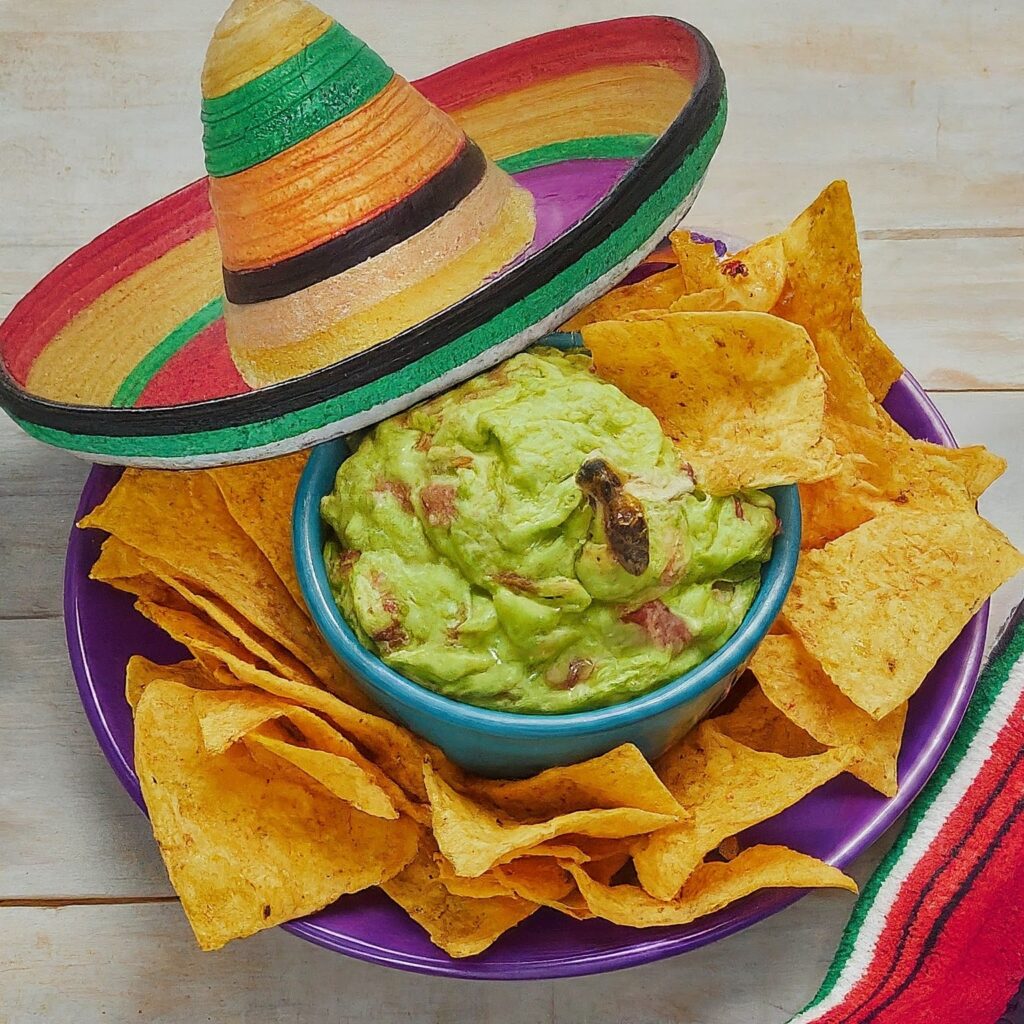
Chips and guacamole. Fresh salsa. Tacos loaded with tomatoes, onions, and peppers. A squeeze of lime on everything.
These are the flavors of Cinco de Mayo – and almost every single one of them exists because of bees and other pollinators.
It’s easy to think of food as something that comes from a farm or a store. But behind every avocado, tomato, chili pepper, and lime is a flowering plant that needed to be pollinated – and in most cases, that means it needed bees.
No pollinators, no party.
Avocados: The Most Bee-Dependent Food on Your Table
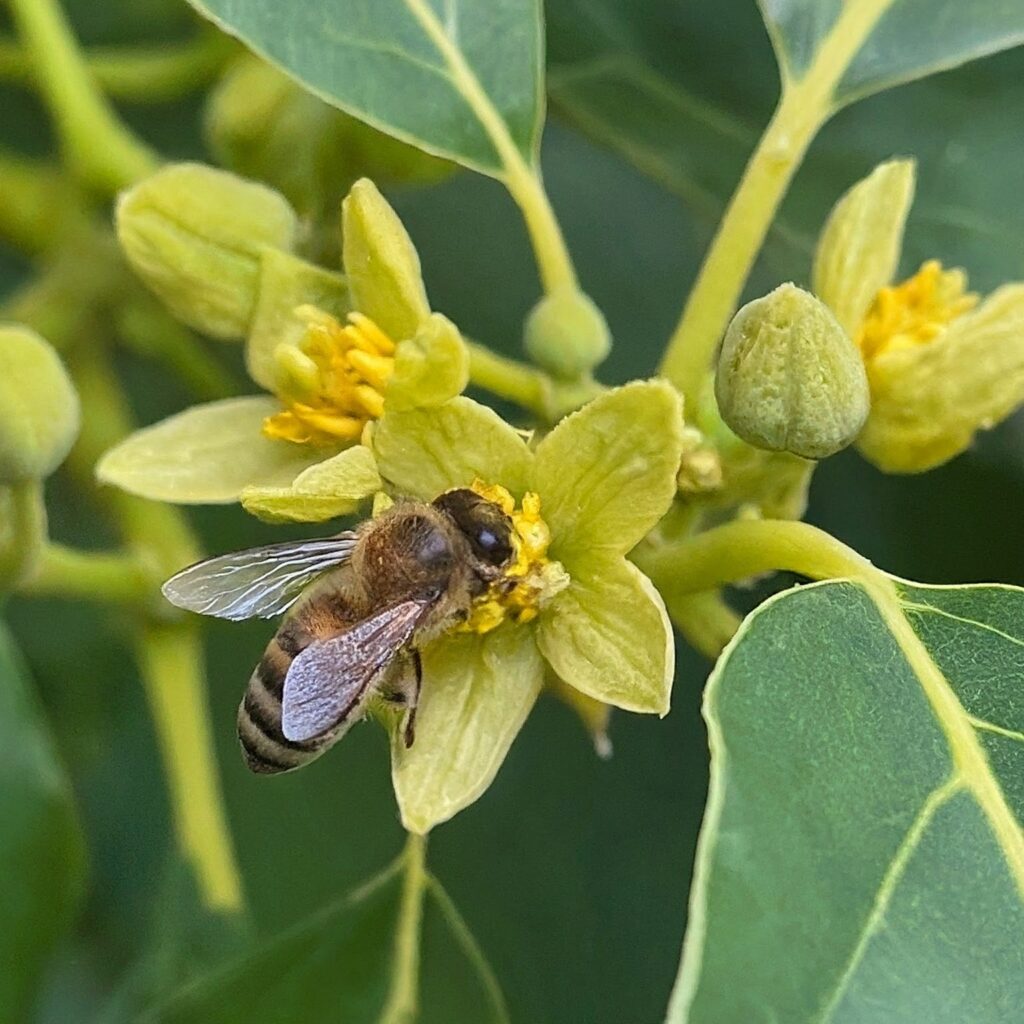
Guacamole starts with avocados, and avocados are one of the more demanding crops when it comes to pollination. Avocado trees produce thousands of flowers, but each flower is only receptive for a very short window – sometimes just a few hours at a time. Without pollinators moving between trees and transferring pollen during those windows, fruit set drops dramatically.
Honeybees are the primary commercial pollinators for avocado crops in the US. Wild bees and other native pollinators fill in the gaps. In regions like California, where the majority of US avocados are grown, healthy pollinator populations are directly tied to avocado yields.
A bad year for bees is a bad year for guac.
Tomatoes: It Takes a Buzz
Tomatoes are a little different. They’re self-fertile, meaning a single plant can technically pollinate itself. But here’s the catch: tomato flowers release pollen through vibration – a process called buzz pollination.
Honeybees aren’t actually great at this. Bumblebees are the stars here. They grab onto the tomato flower and vibrate their flight muscles at just the right frequency to shake the pollen loose. The result is dramatically better fruit set, larger tomatoes, and higher yields.
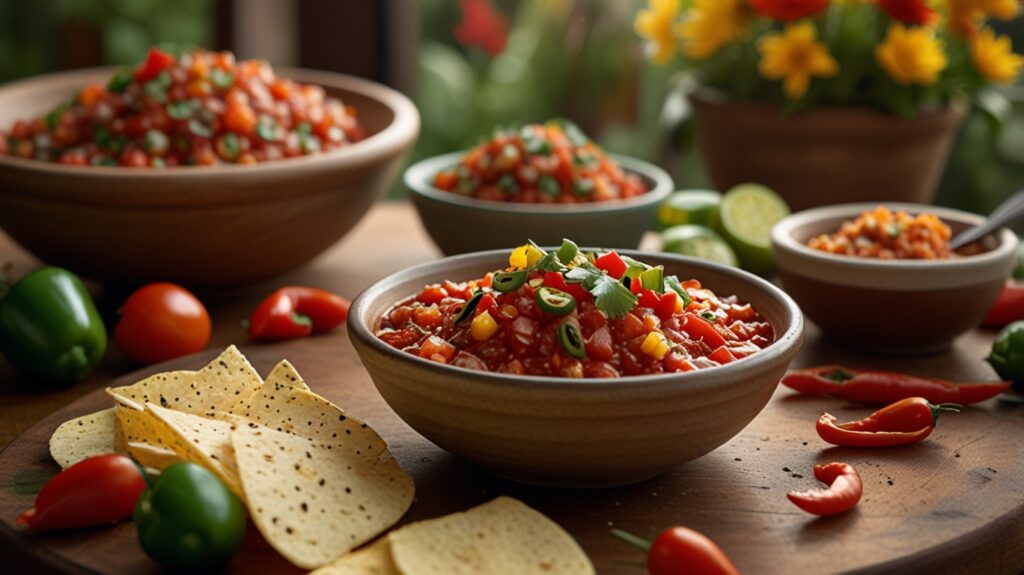
Without pollinators doing that work, tomato crops – and by extension, every fresh salsa and pico de gallo – take a real hit.
Chili Peppers: Small Flower, Big Stakes
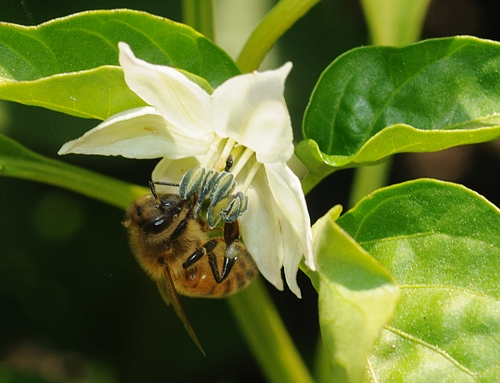
From jalapeños to serranos to chipotles, chili peppers are a cornerstone of Mexican cooking. And like tomatoes, they benefit heavily from buzz pollination.
Pepper flowers are small and easy to overlook, but they’re reliable attractors for native bees. Bumblebees and sweat bees are especially effective at working pepper crops. In fields where pollinator activity is high, pepper plants produce more fruit, more consistently, with fewer drops and deformities.
The heat and depth of flavor in a good salsa verde? Pollinators helped build that.
Onions: An Often-Overlooked Pollinator Crop
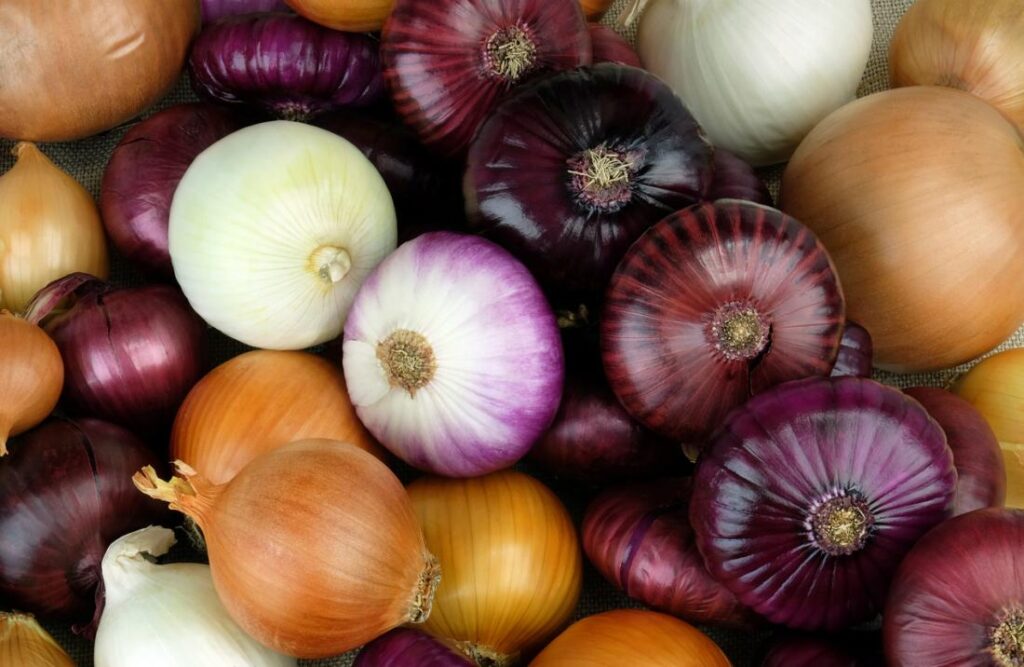
Onions used fresh don’t require pollination – the bulb develops without it. But onion seed production, which is how farmers grow the next season’s crop, depends entirely on pollinators visiting the flowering seed heads.
Honeybees are heavily used in commercial onion seed production. Without them, the supply chain for one of the most fundamental ingredients in Mexican cooking would break down further up the line than most people ever think about.
Limes: The Finishing Touch That Needs a Bee
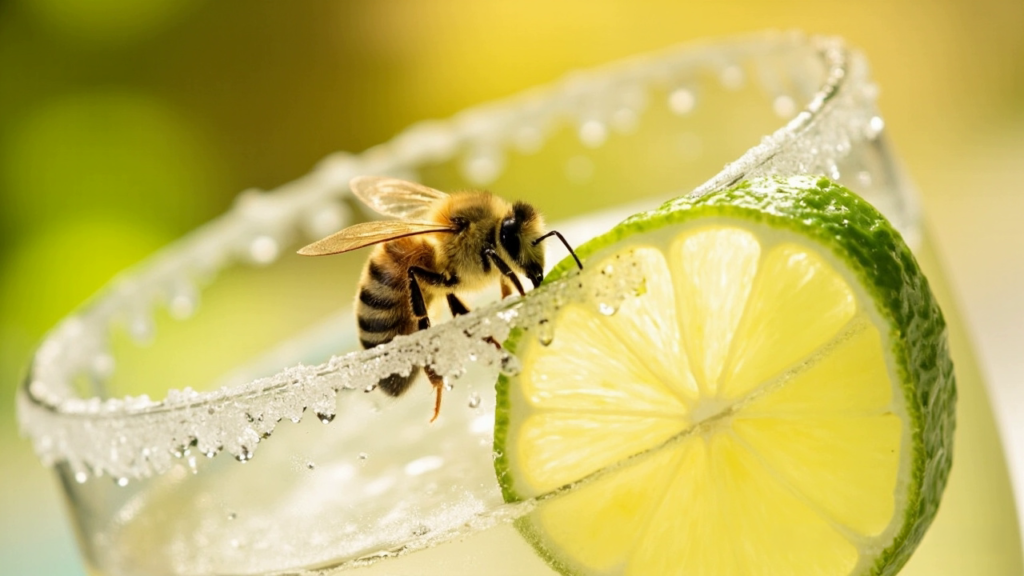
That squeeze of lime on your tacos? Lime trees are pollinator-dependent, and honeybees are their most important visitors. Citrus crops generally see significant yield increases – sometimes 20% or more – in areas with strong pollinator populations nearby.
A lime grove without bees produces less fruit, and the fruit it does produce tends to be smaller and less flavorful.
The Bigger Picture
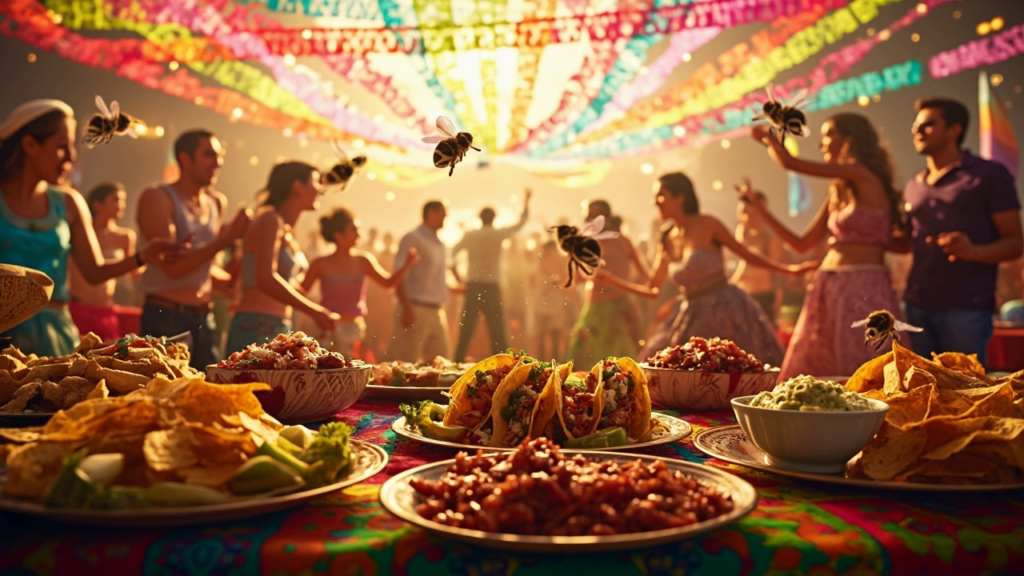
Put it all together and the picture is clear: the Cinco de Mayo table is a pollinator-dependent table. Avocados, tomatoes, peppers, limes – the whole spread relies on bees and other pollinators showing up, doing their job, and making it home safely.
Which means anything that supports healthy pollinator populations supports the food we love.
What You Can Do in Your Own Backyard
You don’t have to run a farm to make a difference. Backyard gardens, containers, and even small water features all play a role in supporting local pollinator health.
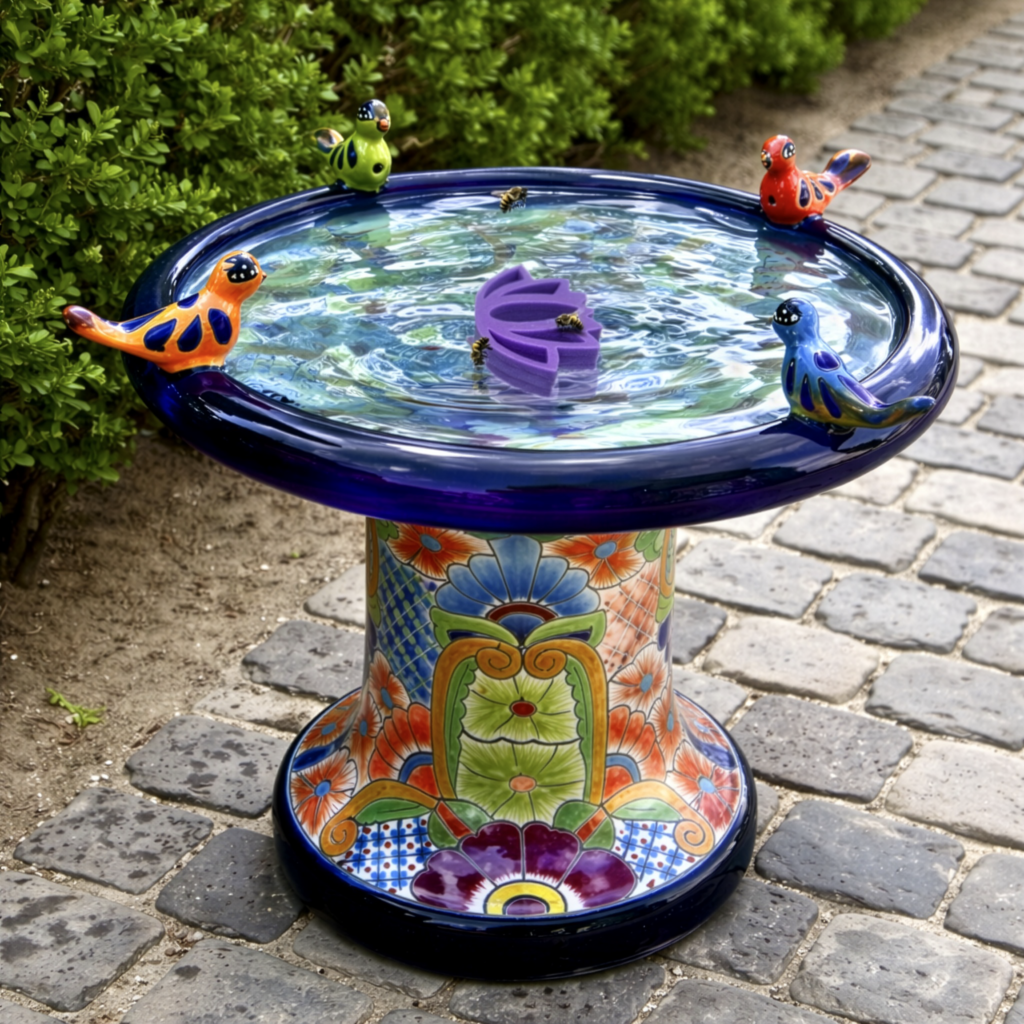
One of the simplest things you can do is make sure pollinators have safe access to water. Bees need water to survive – to cool their hives, dilute honey, and stay hydrated during foraging. But most backyard water features (birdbaths, fountains, buckets, and pools) have smooth sides and no landing surface, making them death traps for bees that slip in and can’t get back out.
The Lotus Flower Bee Raft gives bees a decorative floating landing spot so they can drink safely without slipping into the water. It floats freely on the surface of any birdbath, fountain, pond, or backyard water feature – no tools, no setup, no hassle.
Add one to your birdbath, fountain, pond, pool, or backyard water feature and turn ordinary water into a safer stop for pollinators.
This Cinco de Mayo, raise a glass of agua fresca to the bees. Then make it a little easier for them to get a drink of their own.